Think about how often you use water without really noticing it. You fill a glass before leaving for work, wash your face in the morning, take a shower after a tiring day, and run the washing machine while getting on with other things. Water is woven into daily life, so when something about it feels different, even a small change can become surprisingly annoying.
Perhaps your skin feels tight after bathing, your hair seems harder to manage, or white mineral marks keep returning to the bathroom taps. These problems can have several causes, and water isn’t always the only one. Still, understanding your home’s water supply can help you make practical decisions that improve everyday comfort without unnecessary spending.
Why Water Quality Matters Beyond Drinking
Most people associate water quality with drinking, which makes sense. But water is also used for bathing, cooking, cleaning, and laundry. Its mineral content and other characteristics can affect how these routines feel and how much work they require.
Hard water, for example, contains elevated levels of calcium and magnesium. These minerals can leave deposits on shower screens, faucets, and kettles. They may also affect how soap lathers, leaving residue on surfaces or making it harder to rinse away shampoo and body wash.
Other water concerns are different. Chlorine can affect taste and odor, while iron may contribute to reddish stains around sinks and fixtures. Sediment can collect in plumbing or make water appear cloudy. Some contaminants, however, cannot be identified by sight, smell, or taste alone.
That is why improved water quality starts with understanding the actual water entering your home. A water test can help identify hardness, pH, and selected contaminants, depending on the testing method. If you’re using a private well, testing is especially important because local conditions can influence the water over time.
Could Your Water Be Affecting Your Skin and Hair?
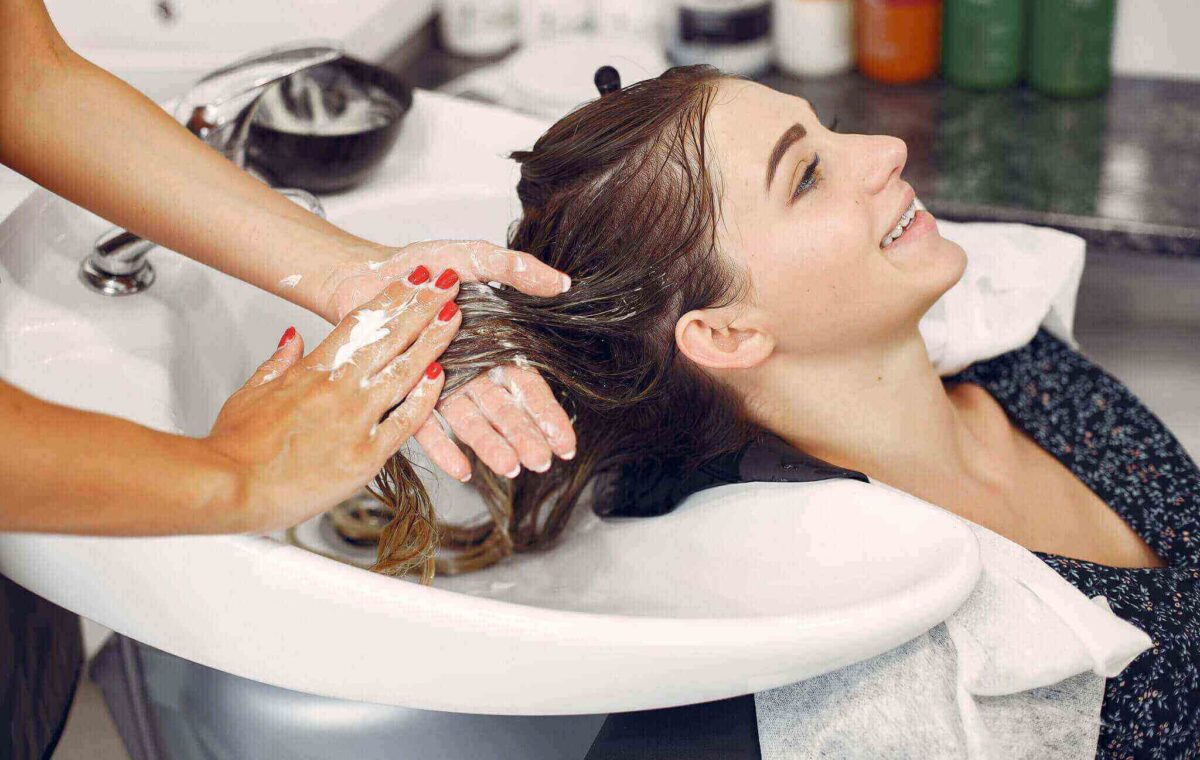
A shower should feel refreshing, not leave you wondering why your skin feels dry ten minutes later. Some people notice that their hair feels rough, their scalp seems uncomfortable, or soap leaves a film after bathing. Hard water may contribute to these experiences because mineral deposits can interact with soap and shampoo, making rinsing feel less effective.
For households dealing with hardness, a properly sized water softener may reduce calcium and magnesium levels through an ion-exchange process. With fewer hardness minerals present, soap may lather more easily, and scale buildup can become less troublesome.
The possible effect on healthier skin and hair is worth discussing, but it’s important to keep expectations realistic. Water softening isn’t a guaranteed treatment for dry skin, scalp irritation, or hair problems. Personal care products, bathing habits, climate, and individual skin conditions all play a role. If irritation persists, medical advice may be more useful than changing water equipment alone.
It also helps to distinguish a softener from a drinking-water filter. A softener primarily addresses hardness; it doesn’t automatically remove bacteria, lead, or other unwanted substances. The right equipment depends on the specific concern, not simply the number of products available.
Taste and Smell Can Influence Daily Habits
Water that tastes unusual can make people less inclined to drink it. Some reach for bottled water, while others add flavoring to mask the taste. Before making that a permanent habit, it may be worth finding out whether the issue comes from the water supply, household plumbing, or a particular substance that can be addressed through treatment.
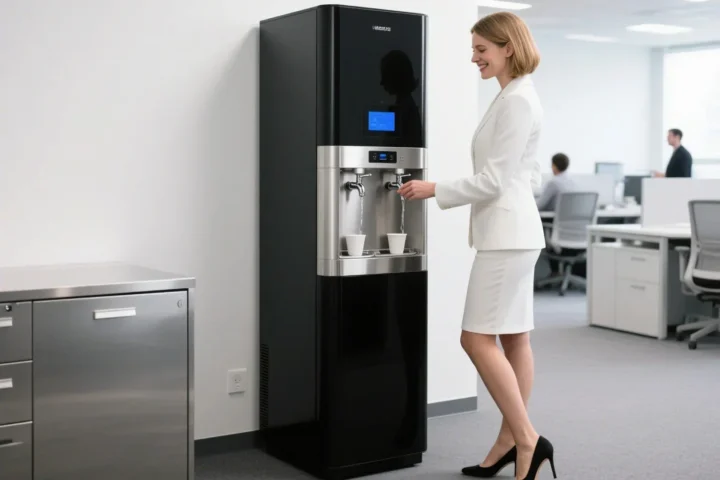
Activated carbon filters can reduce chlorine taste, certain odors, and selected compounds, depending on their design and verified performance. Reverse osmosis systems can reduce many dissolved substances in drinking water, although their effectiveness varies by model and contaminant. Neither should be assumed to remove everything.
If your tap water develops a sudden or unusual taste, odor, or color, investigate the cause before choosing a filter. Check local water-quality information and contact your water supplier or a qualified professional when appropriate. A treatment device shouldn’t be used to cover up a possible safety problem.
The Financial Side of Better Water
Water treatment can involve an upfront investment, and it’s easy to focus only on the price printed on a product page. Yet the longer-term costs deserve attention, too. Replacement cartridges, softener salt, membrane changes, professional servicing, and water use can all affect what a system costs over several years.
For some households, cost savings may come from reducing scale-related maintenance, limiting mineral deposits on fixtures, or using less bottled water when an appropriate drinking-water treatment system addresses the reason for buying it. These benefits vary, though, and they shouldn’t be treated as guaranteed financial returns.
Consider your current situation before purchasing equipment. Are you frequently replacing kettle descaling products? Do mineral deposits require constant scrubbing? Are you buying bottled water because of a confirmed taste concern? Understanding the recurring expense can help you compare the likely value of treatment with its purchase and maintenance costs.
Ask providers for a written estimate that separates installation, equipment, replacement parts, and routine servicing. A cheaper unit may become more expensive to maintain, while a more complex system may offer little additional benefit if your water only needs basic treatment.
Choosing a Practical System for Your Home
There isn’t one perfect treatment system for every household. A point-of-use filter may be enough when the main concern is drinking-water taste. A softener may help when hardness is causing scale throughout the home. If testing identifies a particular contaminant, you need a product designed and verified to reduce that substance.
Think about your household’s daily routines. A family that fills bottles and prepares meals frequently may want a convenient drinking-water filter with adequate capacity. A home with several bathrooms and persistent scale may need a different arrangement. Installation space, water pressure, maintenance access, and the availability of replacement parts should all influence the decision.
Be cautious of claims that one product solves every water problem. Sediment filters, carbon filters, softeners, reverse osmosis systems, and ultraviolet disinfection equipment serve different purposes. A good recommendation should explain those differences and show how the proposed equipment matches your test results.
Don’t Forget the Environmental Side
Household water choices can affect more than the immediate experience at the tap. Bottled water creates packaging waste and requires transportation, while some filtration systems produce wastewater or use replacement cartridges that eventually need disposal.
The potential environmental benefits of treating water at home depend on the solution chosen and the habits it replaces. Using a reusable bottle with appropriately treated drinking water may reduce reliance on single-use bottles. At the same time, a reverse osmosis system can waste some water during production, and frequent cartridge replacements create their own waste. Related: Better Water Solutions for Businesses, Everyday Comfort, and Reliable Drinking Water
Choose equipment with realistic performance claims, follow maintenance instructions, and avoid replacing a working system simply to chase newer features. A well-maintained product that suits your needs is often more sensible than installing several overlapping technologies.
Make Everyday Comfort a Practical Goal
Better water doesn’t require turning your home into a complicated treatment project. Start by noticing recurring problems, review the available water-quality information, and arrange suitable testing when necessary. Then compare options based on what they actually do, how much they cost to maintain, and whether they fit your household.
The aim isn’t to buy the most expensive system or expect water treatment to solve every skin, hair, or appliance concern. It’s to make an informed choice that addresses a genuine need. With realistic expectations and consistent maintenance, you can make everyday water use more comfortable while taking better care of your home and budget.