We don’t often think about what happens beneath our feet — until the sink backs up, the toilet gurgles, or water pools around your feet mid-shower. Then suddenly, you’re picturing a horror show happening deep inside your plumbing. And truth is, it might not be far off.
Whether it’s tree roots creeping where they shouldn’t, thick grease building up like arterial plaque, or just years of sludge playing squatters in your pipes — your drains deserve more attention than you probably give them. Let’s dive into what’s really going on when your pipes start misbehaving, and how you can actually fix it, not just patch it.
The Root of the Problem — Literally
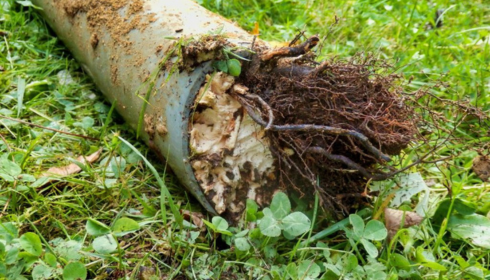
Let’s kick things off with something both fascinating and frustrating: roots. Tree roots are relentless. Doesn’t matter how deep your pipes are or how solid they once seemed — roots will find a way. They snake toward moisture like heat-seeking missiles. And if there’s even the tiniest crack or loose joint in your pipes, those roots will invade, expand, and wreak havoc.
Now, root intrusion removal isn’t a DIY vinegar-and-baking-soda kind of fix. This is war. Specialized plumbers use high-pressure water jetting or mechanical cutters to slice through the roots and clear the blockage. Some even follow up with root-killing chemical treatments to stop regrowth. If you’re dealing with slow drains and live near trees, don’t assume it’s hair in the shower trap. It might be an underground jungle party. Related: The Quiet Upgrade That Changes Everything: Making Your Home’s Water Feel Right Again
Grease: The Silent Pipe Killer
Let’s talk about something we all do — pour hot grease down the sink. It’s quick, easy, and seemingly harmless. But that innocent pour quickly cools down, solidifies, and clings to the walls of your pipes. Over time, that tiny bit of bacon fat turns into a sticky sludge magnet.
You might be shocked to see what plumbers pull out of kitchen drains. I’m talking fatbergs — giant globs of congealed grease, food particles, and soap scum. They’re as disgusting as they sound.
To fix this mess, professionals rely on heavy-duty methods like grease and sludge removal services. These often involve hydro jetting — think of it as power-washing the inside of your pipes — or using enzyme treatments to safely break down the organic gunk. And here’s the kicker: even restaurants with commercial-grade grease traps need routine maintenance. So imagine the state of your home system if it’s never been cleaned. Related: Why Getting Your Water System Installed the Right Way Matters More Than You Think
Mechanical Snaking: The Old-School Hero
We’ve all seen those DIY drain snakes at hardware stores. But real, professional mechanical drain snaking is a different beast. This isn’t some bendy metal you twist by hand. We’re talking high-powered machines with rotating blades that can chew through years of buildup — and even minor root intrusions.
Mechanical snaking shines where plungers and chemical drain cleaners fail. Got a clog that laughs at everything you throw at it? That’s when you bring in the big guns. It’s especially effective in older homes with narrow or corroded pipes where hydro jetting might be too risky.
Plus, snaking gives plumbers the chance to feel what’s going on — literally. They can tell if the blockage is soft and gunky, or if it’s a hard obstruction like a root ball or collapsed pipe. Sometimes, it’s less about clearing the clog and more about diagnosing the deeper issue.
Don’t Be Fooled by “Quick Fixes”
Now, let’s get real: store-bought drain cleaners might seem like a miracle. You pour, wait, and whoosh — drain cleared. But what they don’t tell you is that many of these cleaners are harsh enough to corrode your pipes over time. Especially if your plumbing is already aging. And if the problem is physical — like roots or thick grease — all that acid does is sit there, heating up and damaging your pipes without solving the root cause.
What’s worse? You might clear just enough of the clog to restore flow temporarily, but leave behind all the buildup. So in a few weeks, you’re right back where you started. It’s like brushing your teeth once a month and wondering why your dentist winces. Related: Why You Need a Commercial Electrician Who Knows the Real Deal
When It’s Time to Call the Pros
Listen, nobody wants to spend money on plumbing. It’s not sexy, it’s not fun, and it never seems urgent — until it is. But investing in a proper inspection and cleaning can save you thousands in the long run.
Many professional plumbers offer camera inspections. Yep, they send a tiny camera down your pipes like a robotic scout. It gives you (and them) a live view of the chaos lurking in your lines. This is how they determine whether you’re dealing with tree roots, grease, scale, or something more serious like a pipe collapse.
From there, they can recommend the best approach — jetting, snaking, or even trenchless repairs if necessary. But the key is knowing what’s really going on, not guessing and hoping for the best. Related: Roof Warning Signs You Shouldn’t Ignore
Maintenance Beats Emergencies Every Time
Here’s the honest truth: routine maintenance is a whole lot cheaper and less stressful than middle-of-the-night plumbing disasters. An annual or bi-annual drain cleaning might not sound thrilling, but it’s a small price to pay to avoid a flooded kitchen or a raw sewage backup in your basement.
If you live in an older home or have large trees nearby, you’re already at higher risk. Same goes if your household loves cooking greasy food (no shame in that). Think of professional drain care the same way you think of oil changes for your car — boring but necessary.
The Bottom Line: What Lies Beneath Matters
Your plumbing isn’t just pipes and water — it’s the circulatory system of your home. And like any good system, it needs attention and care. If you ignore the warning signs, you’re gambling with far bigger problems down the road.
Whether it’s root intrusion removal to protect against nature’s slow invasion, grease and sludge removal to clear years of bad kitchen habits, or mechanical drain snaking to fight the toughest clogs — the right tools in the right hands can bring your plumbing back to life.
So next time your drains start acting up, don’t reach for the chemical quick fix. Listen to what your home is trying to tell you. Then, maybe… just maybe, make that call before it turns into a swampy, smelly disaster. Related: The First Step to Better Water at Home Is Knowing What’s Really in It
Final Thought:
Your home talks — not in words, but in sounds, smells, and symptoms. Ignoring that slow drain or weird gurgle might feel easier today, but tomorrow? It could cost you. Treat your pipes with the respect they’ve earned, and they’ll return the favor.