Water is one of those things people rarely think about until something goes wrong. A coffee machine starts collecting mineral deposits, employees complain about the taste of drinking water, or equipment needs more frequent cleaning than expected. At home, the signs might be a strange taste, stubborn spots on glassware, or the inconvenience of constantly replacing drinking water bottles. For businesses, however, water quality can affect daily operations, customer experiences, and long-term equipment costs.
The good news is that water problems don’t always require complicated solutions. Understanding how water is used, identifying the issues that matter most, and choosing the right treatment or delivery service can make a noticeable difference. Whether you’re managing a commercial property, operating a restaurant, or simply trying to improve the water available to your family, a little planning goes a long way.
Why Water Quality Matters in Commercial Spaces
Businesses use water in more ways than many owners realize. Restaurants depend on it for food preparation, beverages, dishwashing, and sanitation. Offices need convenient drinking water for employees and visitors. Hotels, gyms, healthcare facilities, and manufacturing operations may have even more demanding requirements.
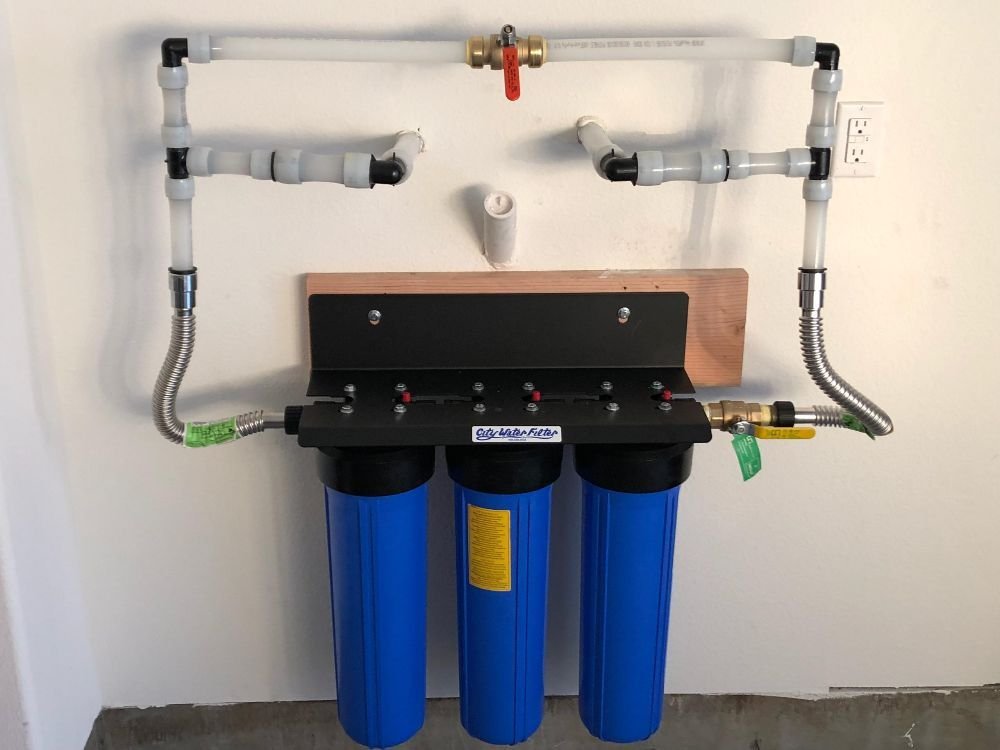
This is where commercial water treatment becomes an important consideration. Rather than relying on a one-size-fits-all product, businesses can assess their water supply and choose equipment designed for their specific needs. Depending on the results, that might mean filtration, water softening, reverse osmosis, or a combination of technologies.
Hard water, for example, contains elevated levels of dissolved calcium and magnesium. These minerals can leave deposits inside pipes, boilers, water heaters, and other equipment. Over time, scale buildup may reduce efficiency and increase maintenance requirements. Filtration can address certain unwanted particles, tastes, and odors, while specialized systems may be needed for particular contaminants.
The right solution depends on the water itself. Testing before purchasing equipment helps avoid spending money on technology that doesn’t address the actual problem.
Start With Testing Instead of Guesswork
Water can look perfectly clear and still contain substances that affect its quality. On the other hand, a visible issue such as white residue around a faucet may be caused by ordinary mineral deposits rather than a serious contamination problem.
A water test provides a more useful starting point than assumptions. Depending on the source and the concerns involved, testing may examine hardness, pH, dissolved solids, iron, manganese, or specific contaminants. Private well owners may need additional testing based on local conditions and public health guidance.
For commercial properties, testing can also help determine whether water treatment equipment is performing as expected. If a system was installed years ago, changes in water conditions or increased demand might mean it needs adjustment or servicing.
It’s worth remembering that no single filter removes every possible contaminant. Treatment equipment should be selected according to verified water-quality concerns, and drinking water should be tested by an appropriate laboratory when health-related risks are suspected. This approach makes the investment more practical and gives owners clearer expectations about what a system can accomplish.
Making Water Softener Maintenance Less Stressful
Installing a water softener can help reduce mineral scale in properties supplied with hard water. But like other equipment, it needs routine attention to continue working properly. Salt-based softeners use regeneration to remove accumulated hardness minerals from the resin, and they require the appropriate salt supply for that process.
A dependable salt delivery service can make maintenance easier, especially for larger homes, commercial buildings, or businesses that use significant amounts of softened water. Instead of waiting until the brine tank is nearly empty, customers can arrange deliveries according to their usage and storage capacity.
That convenience matters more than it might seem. When a business is busy serving customers or keeping production moving, an unexpected maintenance task is easy to overlook. Scheduled delivery can reduce the need for last-minute trips and help staff focus on their regular responsibilities.
Still, salt delivery is only one part of softener care. The salt level should be checked periodically, the tank should be inspected for unusual buildup or bridging, and the system should be serviced according to the manufacturer’s recommendations. If water suddenly feels harder or mineral spots return, it may be time to investigate rather than simply adding more salt.
Choosing the right salt also matters. Follow the equipment manufacturer’s guidance, since different systems may have specific requirements. A well-maintained softener can provide consistent results without turning routine upkeep into a constant chore. Related: Why Better Water Changes More Than You Think at Home
Choosing a Drinking Water System That Fits Your Space
Drinking water needs vary considerably from one setting to another. A small office may need only a convenient source of chilled water, while a busy workplace might require a system capable of serving dozens of people throughout the day. Families, meanwhile, may be more concerned about taste, kitchen space, and reducing the number of disposable bottles they purchase.
When comparing bottled and bottleless drinking water options, consider how much water people actually use, how much space is available, and what ongoing costs will look like.
Bottled water dispensers can be useful where a plumbed connection isn’t practical. They offer a straightforward way to provide drinking water, although bottles need to be stored, replaced, and handled. Delivery schedules and storage space can become important considerations in high-use environments.
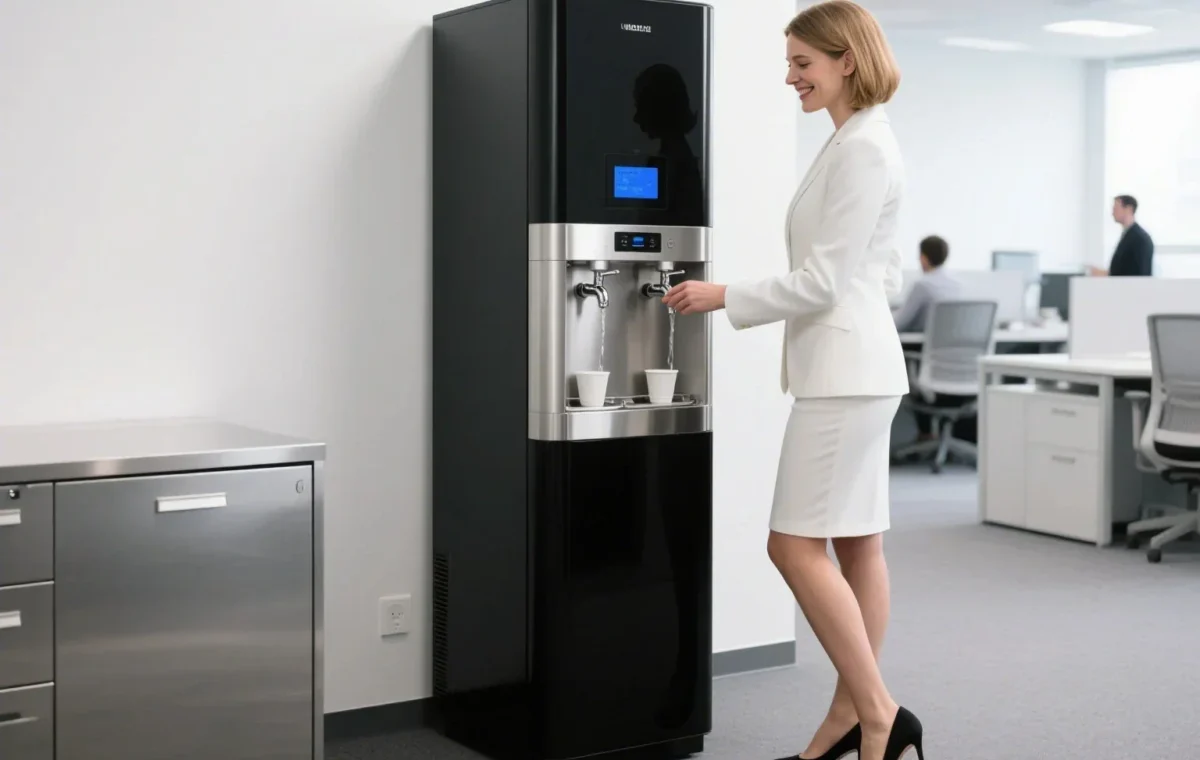
Bottleless dispensers connect to the building’s water supply and typically use filtration to improve water quality. Depending on the model, they may provide chilled, ambient, or hot water. Because they don’t rely on large replacement bottles, they can reduce storage and handling requirements. However, installation may require plumbing access, and filters must be replaced on schedule.
Neither option is automatically best for every situation. Compare the initial installation cost, ongoing maintenance, expected usage, and available service support. Also, check the specific filtration claims of any system you consider. A dispenser’s filter should be suitable for the contaminants or taste concerns you want to address.
Think Beyond the Initial Purchase Price
Water equipment is a long-term investment, so the purchase price tells only part of the story. A less expensive unit may have costly replacement filters, limited service support, or a capacity that doesn’t match actual demand. A higher-priced system may provide better value if it lasts longer and is easier to maintain.
Before committing, ask a few practical questions. What maintenance does the system require? How often should filters or other components be replaced? Is professional installation necessary? What happens if the equipment stops working during a busy week?
For businesses, downtime can be especially frustrating. A reliable service provider should explain maintenance schedules, available repairs, and the expected lifespan of important components. Homeowners should look for the same transparency, along with clear information about warranties and operating costs.
It’s also sensible to review water usage occasionally. A growing business may outgrow its original dispenser, while a household might benefit from a different filtration setup after renovations or changes in daily routines.
Build a Water Plan That Works in Real Life
Good water management doesn’t have to be complicated. Start by identifying the problems you’re trying to solve, whether that’s mineral buildup, unpleasant taste, equipment maintenance, or convenient access to drinking water. Test the water when appropriate, compare suitable technologies, and choose equipment based on real needs rather than impressive-sounding promises.
Then make maintenance part of the plan. Keep track of filter changes, schedule equipment inspections, and arrange supplies before they run out. Small, consistent steps often prevent larger problems later.
Most importantly, work with a provider who explains the options clearly and doesn’t push equipment you don’t need. The best water solution is the one that fits your property, your budget, and your everyday routine.
Whether you’re improving water quality at a commercial facility or making drinking water more convenient at home, thoughtful choices can deliver lasting benefits. When the system is properly selected and maintained, water becomes what it should be: a dependable part of daily life, not another problem waiting to happen.