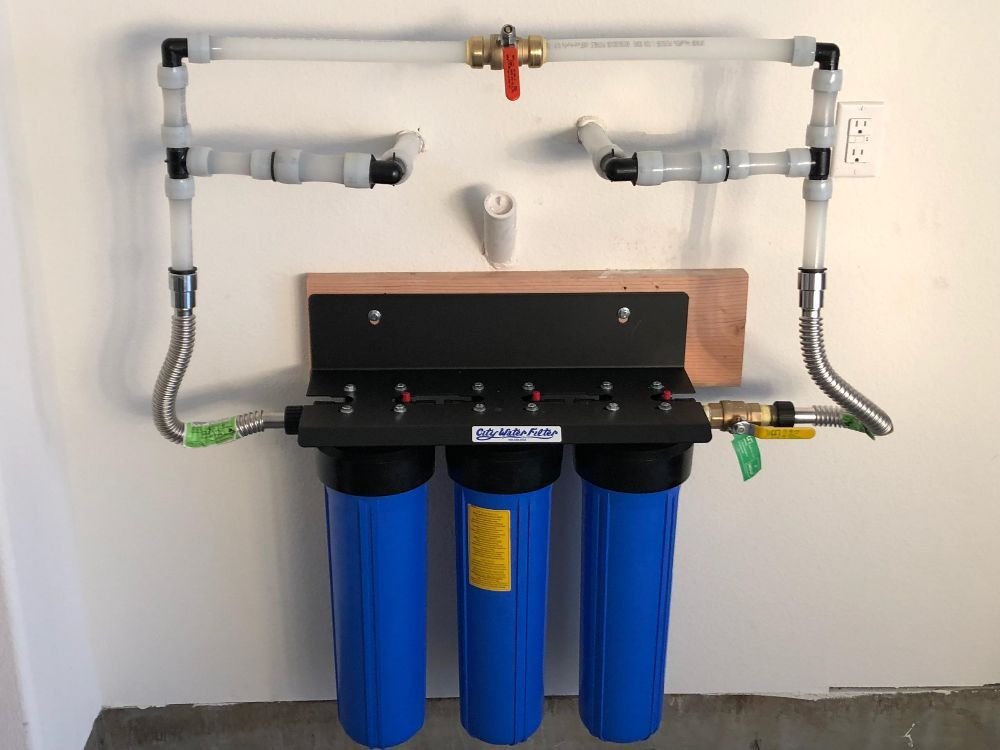
Clean water is something most of us take for granted. Turn on the kitchen tap, fill a glass, and carry on with the day. But water can look perfectly clear and still contain substances that affect its taste, smell, plumbing, or overall quality. That’s why choosing a water filtration system shouldn’t begin with buying the most expensive equipment on the shelf. It should begin with understanding what’s actually in your water.
Every home has different water conditions. Municipal supplies may contain disinfectants and naturally occurring minerals, while private wells can have their own mix of minerals, particles, and other unwanted substances. A little investigation can make a surprisingly big difference.
Start by Understanding Your Water Source
Before choosing any filtration equipment, figure out where your water comes from. City water and well water often have very different treatment needs.
Municipal water is generally treated before it reaches your home, but that doesn’t mean it’s free from everything you may want to remove. Disinfectants, minerals, and particles can still influence taste, odor, and how water behaves inside your plumbing.
Well water is a different story. Its quality can vary from one property to another, sometimes dramatically. Nearby agriculture, soil conditions, groundwater chemistry, and the age of the well can all play a role.
A basic water test is a sensible first step. It gives you actual information instead of making you guess. And honestly, guessing is a poor strategy when you’re spending money on a filtration system.
Why Sediment Filtration Matters
One of the simplest water treatment steps is removing physical particles before they travel farther into your home. Fine sand, dirt, rust particles, and other debris can enter water through the supply line or plumbing system.
A quality filter designed to capture sediment can help reduce these visible or microscopic particles. This is especially useful for homes using well water, older plumbing, or water supplies where particles occasionally appear after maintenance or pressure changes.
Sediment filtration also works as a protective first stage for many larger treatment systems. Think of it as the doorman. It catches the stuff you don’t want moving deeper into the building before more specialized filters get involved.
However, not every sediment filter performs the same way. Filters have different micron ratings, capacities, and replacement schedules. Selecting one without understanding the water conditions can lead to disappointing results or unnecessarily frequent maintenance.
Dealing With Chlorine and Unpleasant Taste
Chlorine is widely used to disinfect public water supplies, and its presence serves an important purpose. Still, some people don’t enjoy the taste or smell it can give drinking water.
Activated carbon filtration is commonly used to reduce chlorine and improve the taste and odor of treated water. This can make a noticeable difference in everyday routines. Your morning coffee may taste cleaner, drinking water can become more pleasant, and that faint swimming-pool-like smell may disappear. Related: Choosing the Right Water Filtration for a Cleaner, More Comfortable Home
Carbon filters can also reduce certain organic compounds depending on the type of carbon, filter design, and water chemistry. But there’s an important catch: no filter removes everything. A product claiming to solve every possible water problem should probably make you a little skeptical.
The right approach is to match the filter to a specific need rather than chasing an unrealistic idea of “perfect” water.
Not All Contaminants Are the Same
Water quality conversations often use the word contaminants as though it describes one simple category. It doesn’t. Different substances require different treatment technologies.
Some problems involve particles. Others involve dissolved minerals, metals, microorganisms, or chemical compounds. Hard water, for example, is primarily associated with minerals such as calcium and magnesium. A conventional carbon filter isn’t designed to soften hard water.
Similarly, certain dissolved substances may require specialized media, reverse osmosis, ion exchange, or another treatment method. If microorganisms are a concern, disinfection may be necessary rather than ordinary filtration alone.
This is why water testing matters so much. Once you know what you’re dealing with, the treatment decision becomes much clearer.
Whole-Home or Point-of-Use Filtration?
Another question homeowners face is whether they need filtration throughout the house or only at one faucet.
A whole-home system treats water as it enters the property. This can make sense when you want treated water for showers, laundry, appliances, and other household uses. It may also be useful when the issue affects the entire supply rather than drinking water alone.
Point-of-use systems, meanwhile, focus on a specific location, such as the kitchen sink. Reverse osmosis systems are a common example. They’re particularly useful when the main concern is drinking and cooking water.
Neither option is automatically better. It depends on your water quality, household habits, plumbing setup, budget, and treatment goals.
A family concerned mainly about drinking water may have very different priorities from someone dealing with hard water throughout the house.
Maintenance Is Part of the Solution
Buying a filtration system isn’t the end of the job. Filters eventually become saturated or clogged, and treatment media can lose effectiveness over time.
Replacing cartridges on schedule is important. Waiting until water pressure drops or taste changes isn’t always the best approach. Some systems have indicators or monitoring features that make maintenance easier, while simpler systems may require homeowners to keep track of replacement dates themselves.
It’s also worth checking whether replacement filters are readily available and reasonably priced before buying the equipment. A system can look affordable at first and become frustrating if its replacement components are difficult to find.
Regular maintenance protects the investment and helps ensure the system continues doing what it was installed to do.
Think Beyond Drinking Water
Water quality affects more than what’s in your glass. Hard water can contribute to scale on fixtures, showerheads, and appliances. Certain water conditions can stain sinks and laundry or leave unpleasant odors behind.
That’s why a complete water assessment can be more useful than focusing on one symptom. You may notice a bad taste and assume you only need a drinking-water filter, when the bigger issue is actually mineral content affecting the whole plumbing system.
Likewise, cloudy water doesn’t automatically mean the same thing in every home. The cause could be air, particles, minerals, or something else entirely. Treating the symptom without identifying the cause is rarely the smartest long-term solution.
Choosing a Filtration System With Confidence
Once you know your water source and test results, compare systems based on what they are actually certified or designed to reduce. Look at filter capacity, flow rate, maintenance requirements, installation needs, and long-term operating costs.
Be careful with dramatic marketing promises. A filter doesn’t become better simply because its packaging lists dozens of substances. What matters is whether the technology is appropriate for your particular water problem.
Professional advice can also be worthwhile, especially when water testing reveals multiple issues. An experienced water treatment professional can help you understand the results and avoid paying for equipment you don’t really need.
A Better Approach to Everyday Water
Good water treatment isn’t about making water complicated. In fact, the best solution is often the one that quietly does its job without becoming another household headache.
Start with testing. Understand your water source. Identify the specific problems that matter to your household, then choose technology designed to address them. Keep up with maintenance, too.
Once you stop treating water filtration as a one-size-fits-all purchase, the whole process becomes easier. You’re no longer buying a machine because an advertisement says you should. You’re solving an actual problem with a practical solution — and that’s a much better place to start.