Water is easy to take for granted. It’s always there when you need it—whether you’re making your morning coffee, filling a pot for dinner, taking a hot shower, or tossing a load of laundry into the washer. Because it’s part of nearly every routine, we often assume it’s doing exactly what it should.
But every now and then, something feels different. The water tastes slightly metallic, your dishes come out with cloudy spots, or your faucets seem to collect white residue no matter how often you clean them. These aren’t always serious warning signs, but they are your home’s way of telling you that your water deserves a closer look.
The encouraging news is that improving household water doesn’t have to be complicated. In fact, it usually begins with understanding what’s flowing through your pipes before making any decisions.
Every Home Has a Unique Water Story
Even homes in the same neighborhood can experience different water conditions.
Municipal treatment plants deliver water that meets strict safety standards, but the journey from the treatment facility to your faucet varies from one property to another. Older plumbing, local mineral content, household water usage, and even seasonal weather changes can all influence the water arriving at your home.
Private wells introduce even more variation because groundwater naturally changes over time. Rainfall, surrounding geology, and nearby land use all play a role in shaping the characteristics of well water.
That’s why there’s no universal solution for every household.
Pay Attention to the Little Changes
Most water issues don’t appear overnight.
Instead, they creep in gradually. Maybe your showerhead begins clogging more often, soap doesn’t rinse away as easily, or your coffee tastes just a little different than it used to. Many homeowners assume these changes are simply part of owning a house, but they often point toward mineral content or other water characteristics worth investigating.
Small observations can reveal a surprising amount about what’s happening inside your plumbing system.
Ignoring them usually doesn’t make them disappear.
Why a Free Water Test Is Worth Considering
Before investing in filtration equipment or expensive plumbing upgrades, it helps to gather real information.
A free water test offered by many water treatment professionals can provide a helpful starting point. While it doesn’t replace a comprehensive laboratory analysis, it often identifies common concerns such as hardness, chlorine levels, iron, pH balance, or excessive mineral content.
Knowing these basic characteristics allows homeowners to make informed decisions instead of relying on advertisements or guesswork. Related: Why Better Water Changes More Than You Think at Home
Sometimes the results reveal that your water is already in excellent condition. Other times, they highlight simple improvements that can make a noticeable difference.
Either way, knowledge is always valuable.
Better Water Affects More Than Drinking
When people hear the phrase “water improvement,” they naturally think about drinking water first.
In reality, household water influences nearly every room in the house.
Your dishwasher depends on it. Your washing machine uses gallons every week. Your water heater, showers, coffee maker, refrigerator, and plumbing fixtures all rely on consistent water quality to perform properly.
Mineral-rich water can gradually reduce appliance efficiency, while chlorine or sediment may affect taste and odor. Even laundry and bathing routines can feel different depending on the characteristics of your household water.
That’s why improving water often produces benefits far beyond the kitchen sink.
Choosing the Right Water Treatment System
One of the biggest mistakes homeowners make is assuming there’s a single product that solves every water concern.
The truth is that the ideal water treatment system depends entirely on your home’s specific needs. Related: What’s Really in Your Glass? Why It’s Time to Rethink the Water in Your Home
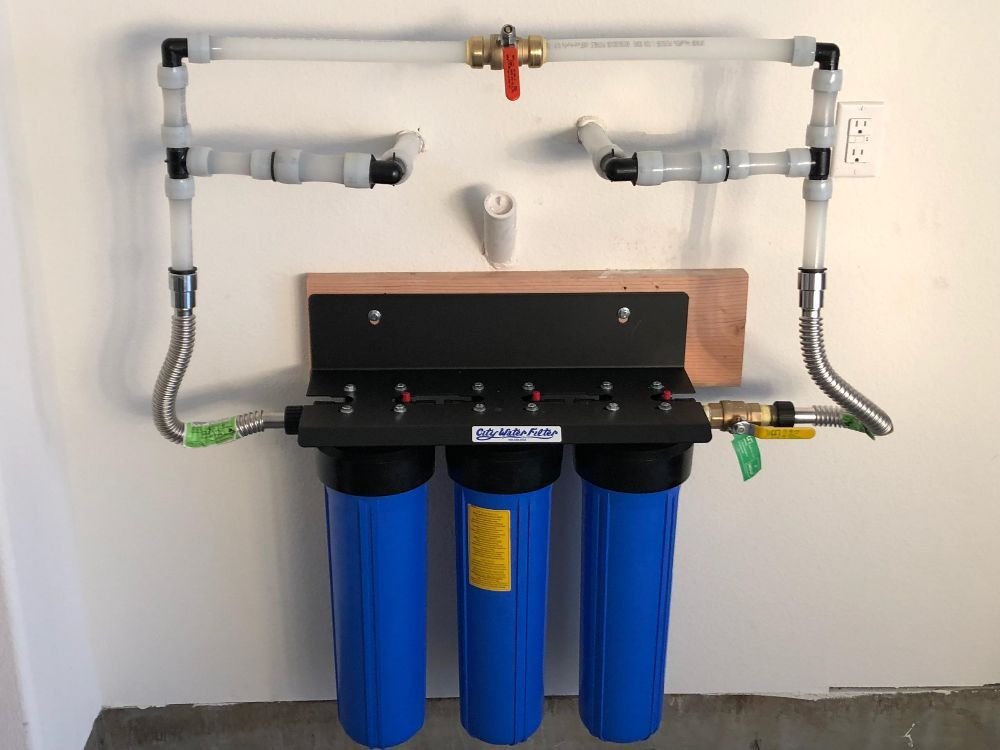
A family dealing with hard water may benefit from a softener, while another household may only need carbon filtration to improve taste and odor. Homes with private wells sometimes require specialized treatment for iron, sulfur, or sediment, while reverse osmosis systems are often chosen for highly purified drinking water.
Matching the treatment to the actual problem almost always produces better results than purchasing the most expensive equipment available.
Understanding Water Quality Goes Beyond Safety
People often associate water quality only with health regulations, but there’s much more to it than that.
Quality also includes how water tastes, smells, feels, and performs throughout the home. It affects coffee, tea, cooking, laundry, showers, plumbing fixtures, and even the lifespan of expensive appliances.
Water that meets regulatory standards may still contain minerals that leave spots on dishes or chlorine that changes the taste of beverages.
That’s why evaluating overall quality provides a much more complete picture than focusing on safety alone.
Small Improvements Make Everyday Life Easier
One of the nicest things about improving household water is that the benefits quietly become part of everyday life.
Morning coffee tastes cleaner. Glassware comes out of the dishwasher with fewer spots. Soap rinses away more easily, towels feel softer, and showers become more comfortable.
Appliances may also perform more efficiently because they’re no longer dealing with excessive mineral deposits.
None of these improvements feel dramatic on their own, but together they make a noticeable difference in how your home functions day after day.
Good Decisions Begin with Good Information
Water treatment isn’t about buying the newest technology or following trends.
It’s about understanding your home’s unique water profile and choosing solutions that actually address your needs. Testing first, asking questions, and working with reliable professionals helps ensure you invest in improvements that provide genuine value rather than temporary fixes.
A little information today can prevent years of unnecessary maintenance and frustration.
Better Water Creates Greater Peace of Mind
At the end of the day, improving your home’s water isn’t just about cleaner dishes or better-tasting coffee.
It’s about confidence.
It’s knowing the water your family drinks, cooks with, bathes in, and relies on every day is supporting a healthier, more comfortable home. When you understand your water and make thoughtful improvements based on real information, every faucet becomes a little more dependable and every glass feels a little more satisfying.
Sometimes the most valuable home improvement isn’t the one everyone notices—it’s the one working quietly behind the scenes, making everyday life just a little better with every drop.