A roof rarely fails all at once. More often, it gives you little clues first: a damp patch on the ceiling, a missing shingle after a storm, or an odd draft you can’t quite explain. The trouble is that these signs are easy to dismiss, especially when everything still looks fine from the ground.
That’s where homeowners can get caught out. Small roofing problems have a habit of becoming expensive ones when they’re left alone for too long. Knowing what to watch for can help you arrange repairs early, protect your home from water damage, and avoid a stressful emergency later.
Start With What You Can See From the Ground
You don’t need to climb onto your roof to spot every problem. In fact, unless you’re trained and have the right safety equipment, staying on the ground is usually the smarter choice.
Take a slow look around your property after heavy rain, strong winds, or a major temperature change. Check for shingles that appear loose, curled, lifted, or completely missing. If you notice cracked shingles scattered across the roof, don’t assume they’re merely cosmetic. Cracks can allow moisture to work underneath the roofing material, where it may damage the decking and insulation.
You can also look for unusual areas of sagging. A roofline that appears uneven may indicate trapped moisture or a structural issue that deserves professional attention. It’s not something to put on the “maybe next month” list. Related: What Your Roof Won’t Tell You (But You Still Need to Know)
Water Stains Are More Than an Eyesore
Few things get a homeowner’s attention faster than a brownish mark spreading across the ceiling. Unfortunately, by the time you see it indoors, the moisture problem may already have been developing for a while.
Water stains on ceilings or walls often suggest that water is getting through the roof, flashing, vents, or another vulnerable point. Sometimes the stain appears far away from the actual leak because water can travel along rafters, insulation, and other building materials before finally reaching the ceiling.
That’s why simply painting over the mark usually isn’t enough. You need to identify where the moisture is coming from first.
After a storm, check your attic if it’s safe to do so. Look for damp insulation, darkened wood, musty smells, or visible moisture. If you find any of these signs, getting a roofing professional involved sooner rather than later can prevent a relatively manageable leak from turning into widespread interior damage.
Keep an Eye on Gutters and Downspouts
Gutters are easy to ignore until they stop doing their job. They’re actually an important part of your roof’s drainage system.
When gutters become packed with leaves, twigs, or roofing debris, rainwater may not drain away properly. Instead, it can back up near the roof edge and seep into areas where it doesn’t belong. Over time, that moisture can contribute to rot, damaged fascia, mold growth, and other costly problems. Related: Small Water Filters, Big Difference: Making Point-of-Use Treatment Work
After cleaning the gutters, check whether water flows freely through the downspouts. Look for sections that sag, pull away from the house, or leak at their joints.
It’s also worth checking the ground around your downspouts. Water should be directed away from the foundation rather than collecting directly beside the house. A small drainage issue can eventually become a surprisingly big headache.
Don’t Ignore Problems Around the Chimney
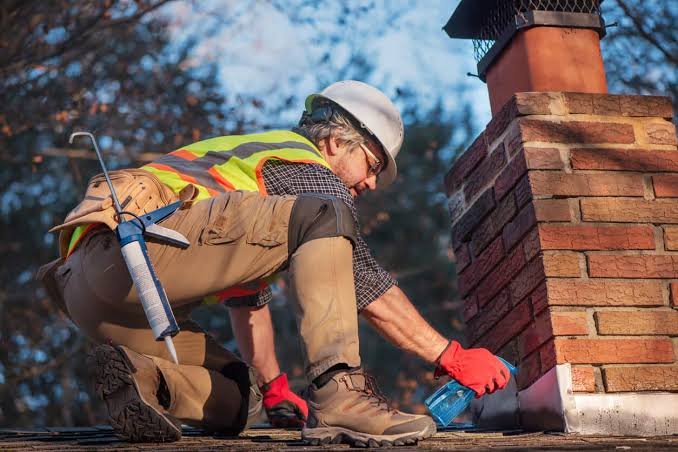
Chimneys create several potential entry points for water because they meet the roof at an especially vulnerable location. Flashing around the chimney, mortar joints, the chimney cap, and surrounding shingles can all deteriorate over time.
If you notice loose masonry, cracked mortar, damaged flashing, or water getting into the attic near the chimney, professional chimney repair may be necessary. Waiting can allow moisture to penetrate deeper into the structure, particularly during repeated freeze-thaw cycles in colder climates.
Even if your chimney isn’t currently causing a leak, an annual visual inspection is a sensible habit. Small cracks are much easier—and usually less expensive—to address before they spread. Related: The First Step to Better Water at Home Is Knowing What’s Really in It
Look for Signs of Aging
Every roof has a useful service life, and that lifespan depends on the roofing material, installation quality, local weather, ventilation, and maintenance.
As a roof gets older, you may notice more frequent repairs, widespread granule loss, faded or brittle shingles, and recurring leaks. None of these necessarily means you need a complete replacement tomorrow. But they are signals that it’s time to assess the roof’s overall condition rather than fixing one isolated issue after another.
If your roof is approaching the expected end of its service life, a professional inspection can help you plan ahead. Replacing a roof on your own schedule is far less disruptive than discovering you need emergency work during a week of heavy rain.
Storm Damage Can Be Hard to Spot
Wind and hail don’t always leave dramatic damage behind. A roof can look perfectly normal from the driveway while individual shingles have been lifted, cracked, or weakened.
After a severe storm, look around the yard for pieces of shingles or roofing material. Check gutters for an unusual amount of granules. You can also inspect nearby trees for broken branches that may have landed on the roof. Related: Finding the Right Water Solution Starts With Understanding What’s in Your Water
If you suspect damage, have the roof inspected even if there’s no obvious leak. Some problems only become visible during a professional assessment, and catching them early can reduce the chance of water entering the home during the next storm.
Ventilation Matters, Too
Roofing problems aren’t always caused by rain or wind. Poor attic ventilation can quietly shorten the life of roofing materials.
When hot, humid air becomes trapped in the attic, it can contribute to condensation and moisture buildup. In colder conditions, that moisture may cause insulation problems or encourage mold growth. Excessive heat can also accelerate deterioration of some roofing materials.
A properly balanced ventilation system allows air to move through the attic and helps manage temperature and moisture. If your attic feels unusually hot, smells musty, or shows signs of condensation, it’s worth having the ventilation system checked.
Know When a Professional Should Step In
There’s nothing wrong with basic homeowner maintenance. Cleaning gutters, trimming branches away from the roof, and looking for visible warning signs are all sensible tasks.
Roof repairs themselves, however, can be dangerous. Walking on a roof without proper equipment is risky, and diagnosing a leak isn’t always as straightforward as finding a hole. Related: Why Every Homeowner Should Understand Water Filter Maintenance Before Problems Start
Call a qualified roofing professional when you notice:
- Persistent or recurring leaks
- Sagging areas of the roof
- Extensive storm damage
- Missing or badly damaged shingles
- Damaged flashing around vents or chimneys
- Signs of moisture in the attic
- Structural concerns
- A roof nearing the end of its expected lifespan
A good inspection can give you a clearer picture of what actually needs fixing, rather than encouraging you to replace things unnecessarily.
A Little Attention Can Save a Lot of Trouble
Your roof doesn’t need constant attention, but it does deserve occasional attention. A quick inspection after severe weather, regular gutter maintenance, and prompt action when something looks unusual can make a meaningful difference.
Most importantly, don’t wait for water dripping through the ceiling before deciding there’s a problem. Roof damage often starts quietly. By noticing the early signs and dealing with them while they’re still manageable, you can protect your home, your belongings, and your peace of mind.
After all, a roof is one of those parts of a house you tend to forget about—right up until it stops doing its job.