There’s a certain convenience in walking into your kitchen, filling a glass of water, and enjoying it without a second thought. Unfortunately, not everyone feels that way about their tap water. Unpleasant tastes, unusual odors, and concerns about dissolved contaminants can leave homeowners searching for a dependable alternative.
Exploring filtered drinking water solutions can help families address specific water quality concerns while reducing their reliance on packaged drinking water.
Reverse osmosis is one treatment method worth considering, particularly when ordinary filtration doesn’t adequately address dissolved substances.
However, getting the most out of any filtration equipment involves more than purchasing a system and connecting it to your plumbing. Understanding your water supply, installation requirements, and ongoing maintenance responsibilities makes a considerable difference.
Understanding What’s Really in Your Drinking Water
Water quality varies from one neighborhood to another, sometimes even between nearby properties. The original water source, municipal treatment processes, and household plumbing can all influence what comes out of your faucet.
Some homeowners notice a metallic taste, while others dislike the lingering smell of disinfectants. Certain dissolved substances, however, may have no noticeable taste or odor.
That’s why relying exclusively on your senses isn’t enough.
Appropriate water testing helps identify potential concerns and provides useful information when comparing treatment equipment.
Municipal customers can also review water quality reports from their suppliers, while private well owners should arrange relevant laboratory analysis.
Having a clearer picture of your water conditions helps prevent unnecessary spending on equipment that doesn’t address the actual problem.
What Happens During Reverse Osmosis Installation?
Installing a drinking water filtration system might sound like a complicated home improvement project. In many kitchens, though, the process is relatively manageable when properly planned.
Professional reverse osmosis system installation generally involves evaluating available space, checking incoming water pressure, connecting the filtration equipment, and establishing suitable drainage arrangements.
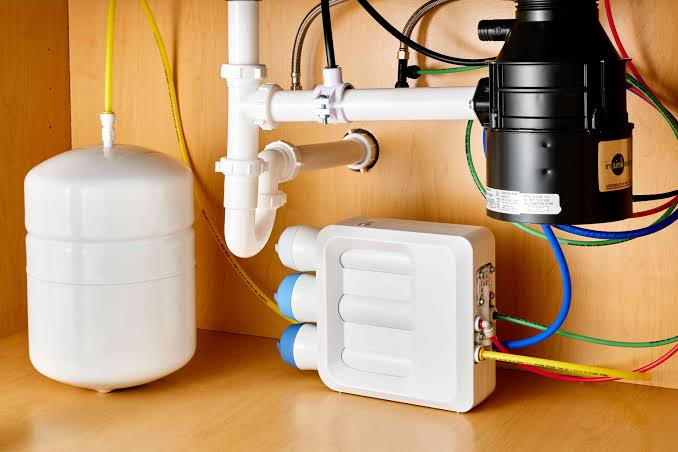
Most residential units are positioned beneath the kitchen sink, keeping the main components neatly out of sight.
A dedicated faucet typically delivers treated drinking water directly to the countertop. Depending on the model, the equipment may include a storage tank or operate through a tankless arrangement.
After installation, the system should be flushed according to manufacturer instructions and checked for leaks and proper operation.
Homeowners should also receive guidance regarding filter replacements and routine maintenance. Related: Small Changes at Home That Can Make Water Feel Better Every Day
Understanding these details from the beginning makes ownership much less intimidating.
How Reverse Osmosis Addresses Dissolved Contaminants
Ordinary filtration can be useful for capturing suspended particles and reducing certain tastes or odors. However, dissolved substances often require a different treatment approach.
With RO drinking water treatment, incoming water passes through a specialized semipermeable membrane under pressure, allowing water to pass while rejecting many dissolved substances.
Depending on independently verified equipment performance, this process can reduce various dissolved salts, nitrates, certain metals, and other targeted contaminants.
Most residential systems incorporate preliminary sediment and carbon filters to help protect the membrane and support overall treatment performance.
A final polishing filter may also improve the taste of treated water.
Of course, reverse osmosis doesn’t automatically address every possible water quality concern. Selecting equipment according to reliable testing results remains essential.
Making Everyday Drinks and Meals More Enjoyable
Water is probably the most overlooked ingredient in the kitchen.
Think about your morning coffee, homemade soups, pasta, or even the ice cubes you add to a refreshing summer drink.
When water has an unpleasant taste, it can sometimes influence the flavor of whatever you’re preparing.
Appropriate filtration may provide a more neutral-tasting water supply, giving other ingredients a chance to shine.
Although coffee enthusiasts may prefer water with a particular mineral balance, reducing objectionable flavors can still make a noticeable difference.
There’s also something satisfying about filling reusable bottles before leaving for work rather than stopping at a convenience store.
Over time, these small changes can become welcome parts of your everyday routine.
Choosing Between Tank-Based and Tankless Systems
Not every kitchen has the same amount of available space, and household drinking water requirements can vary considerably.
Traditional reverse osmosis systems often include a storage tank that holds treated water until it’s needed.
Tankless equipment produces water on demand and may offer a more compact installation, depending on the design.
Before choosing either arrangement, consider your family’s daily consumption habits. Related: The First Step to Better Water at Home Is Knowing What’s Really in It
A household that frequently fills large cooking pots or several reusable bottles may have different requirements from someone living alone.
Production capacity, delivery flow, incoming water pressure, and maintenance accessibility all deserve consideration.
Ultimately, the right equipment should complement your kitchen routine rather than create another inconvenience.
Looking Beyond the Initial Purchase Price
A filtration system’s advertised price doesn’t tell the entire story.
Replacement cartridges, membrane servicing, water consumption, and electricity requirements for certain models contribute to long-term ownership costs.
Reverse osmosis also produces a concentrated reject water stream, making water efficiency an important consideration.
Ask about replacement component availability and recommended maintenance intervals before purchasing equipment. Related: Why Better Water Changes More Than You Think at Home
Following a consistent servicing schedule helps preserve treatment performance and prevent avoidable problems.
Periodic water testing is especially important when filtration is intended to reduce potentially harmful contaminants.
Remember, an improvement in taste alone isn’t proof that water is safe to drink.
A Small Investment That Can Improve Everyday Life
Better drinking water doesn’t have to involve an overwhelming collection of equipment or complicated household routines.
Start with appropriate testing, select a filtration system with demonstrated capabilities, and arrange proper installation.
With regular maintenance, reverse osmosis can provide a convenient approach to addressing specific drinking water concerns.
And really, there’s something wonderful about simplifying an everyday necessity. Whether you’re preparing breakfast, making coffee for a friend, or enjoying a refreshing glass of water after a long afternoon, having suitably treated water within easy reach is a convenience worth appreciating.