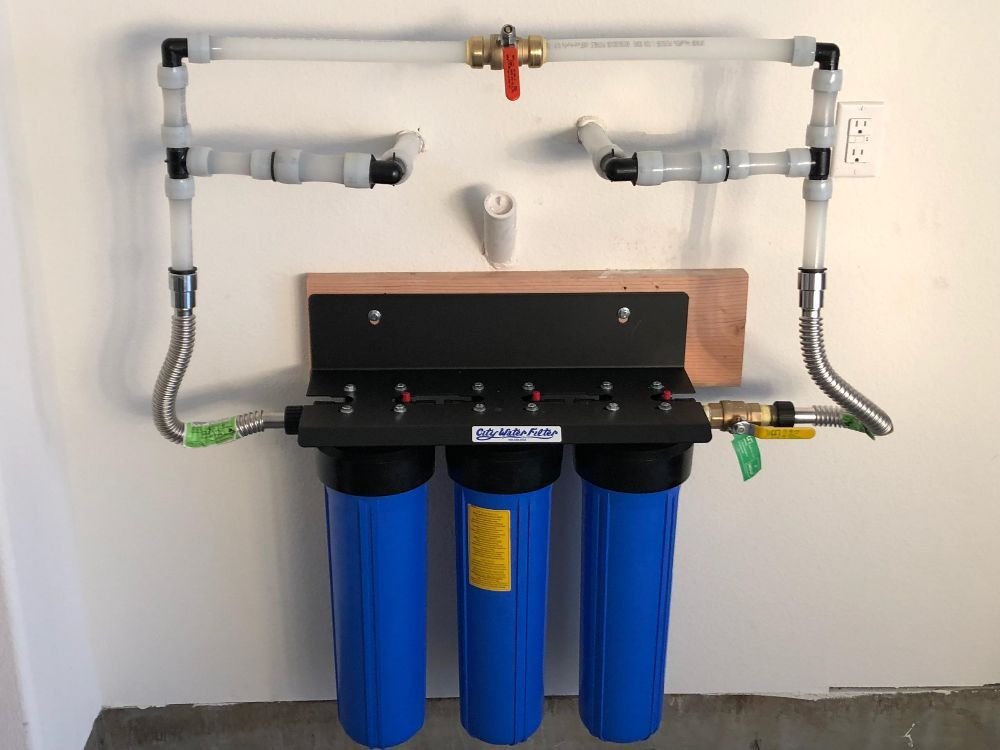
Clean water has a funny way of staying invisible. Most of us don’t think about it until the water tastes a little strange, the pressure drops, or someone points out that the filter hasn’t been changed in over a year. It’s one of those household systems that quietly does its job every single day, tucked away under a sink or in a utility room, asking for very little in return.
The truth is, maintaining a water filtration system isn’t difficult. In fact, it’s often far easier than dealing with the consequences of neglected filters, damaged plumbing, or poor water quality. Whether your home relies on municipal water or a private well, understanding how your filtration setup works can save money, improve performance, and help your family enjoy cleaner, better-tasting water every day.
Water Filters Work Harder Than Most People Realize
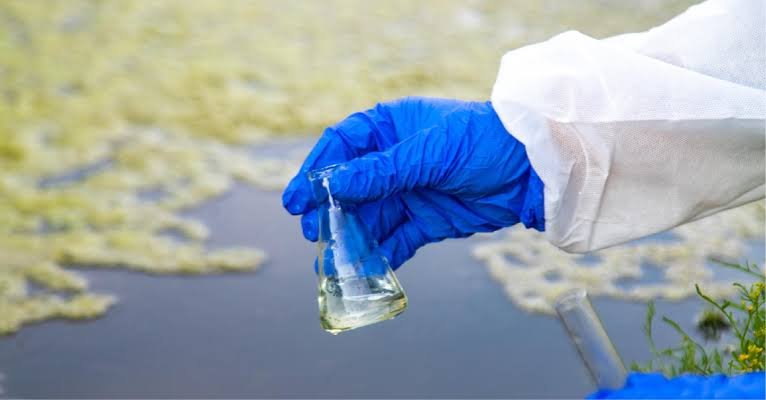
Every gallon of water that flows through your home carries tiny particles. Some are harmless minerals, while others may include sediment, rust, chlorine, or organic matter depending on your water source. Your filtration system quietly captures many of these contaminants before they reach your faucet.
Over time, however, those trapped particles begin to accumulate. It’s a little like expecting a vacuum cleaner to perform at its best without ever emptying the dust container. Eventually, efficiency drops, water flow slows, and the filter has to work much harder than it was designed to.
Routine maintenance isn’t simply about replacing cartridges. It’s about giving the entire system a chance to continue performing the way it was meant to.
Don’t Ignore the Small Parts
Many homeowners focus entirely on replacing filter cartridges while overlooking the surrounding components. The canister, seals, O-rings, and mounting hardware all play an important role in preventing leaks and maintaining pressure.
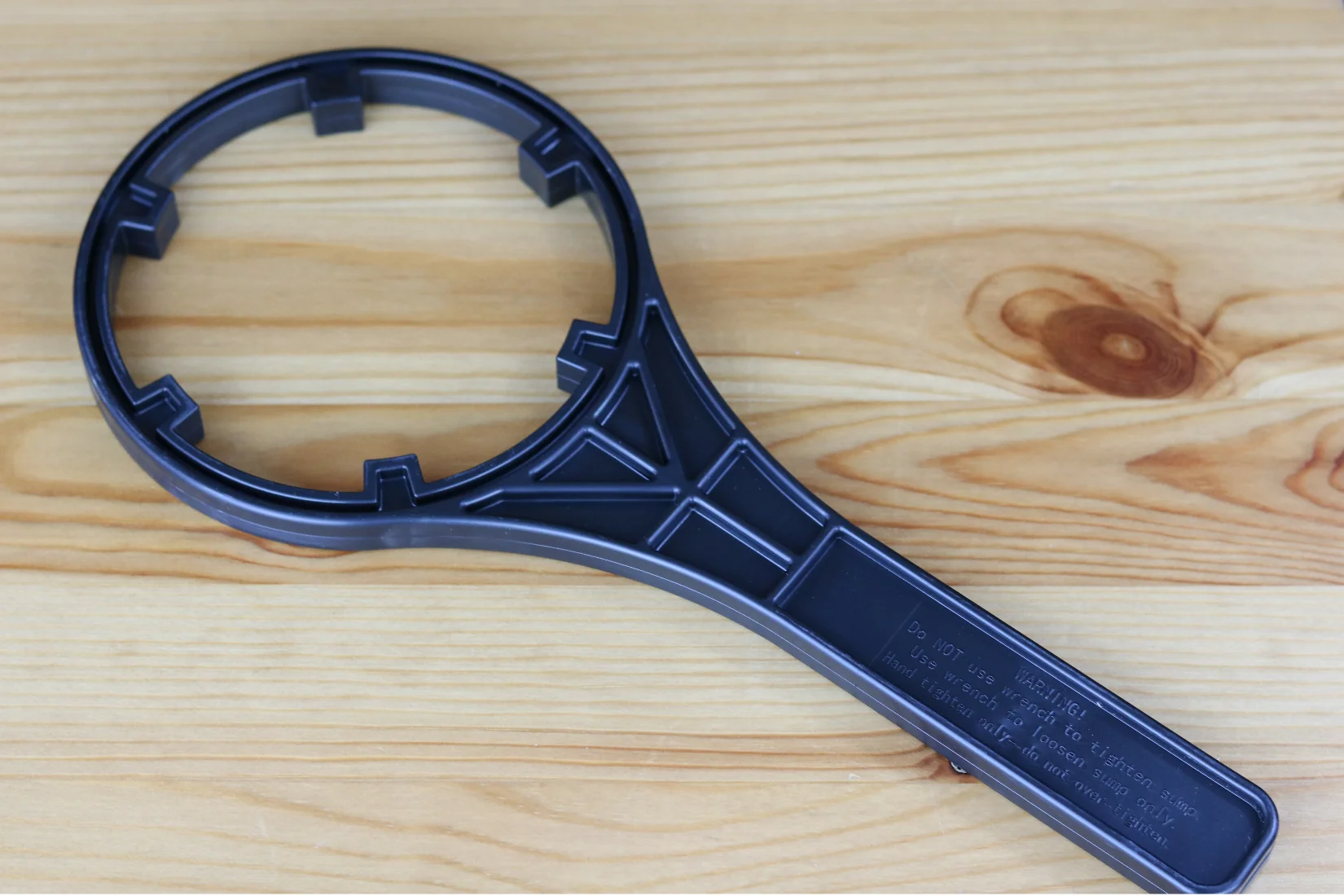
One surprisingly useful tool is a filter housing wrench. Anyone who’s tried removing an overtightened filter canister by hand knows how frustrating the job can become. Instead of forcing the housing and risking cracks or damaged threads, the proper wrench provides steady leverage and makes cartridge changes safer and much easier.
It’s one of those inexpensive tools that often pays for itself the very first time you use it.
Why Regular Maintenance Protects More Than Water Quality
Replacing filters on schedule isn’t just about cleaner drinking water. A neglected system can affect appliances throughout the home.
Dishwashers, coffee makers, refrigerators, washing machines, and water heaters all benefit from cleaner water. Sediment buildup inside these appliances gradually reduces efficiency and can shorten their lifespan. While the damage isn’t always obvious right away, the long-term repair costs often become noticeable.
Keeping filtration equipment in good condition also helps maintain consistent water pressure. Nobody enjoys standing in the shower while the flow slowly fades because a clogged filter is restricting the entire system.
Rainwater Collection Deserves Proper Filtration Too
Rainwater harvesting has become increasingly popular for gardening, irrigation, and even household use in certain regions. Collecting rainfall is environmentally friendly, but the water rarely arrives perfectly clean.
Leaves, pollen, dust, bird droppings, insects, and roof debris all find their way into collection tanks. That’s why installing a quality rainwater filter is such an important step. Proper filtration removes much of the unwanted material before water enters storage, reducing maintenance while improving overall water quality.
Even if rainwater isn’t intended for drinking, cleaner stored water helps protect pumps, irrigation systems, and plumbing from unnecessary wear.
Choosing the Right Replacement Schedule
One of the biggest mistakes homeowners make is waiting until water quality noticeably changes before replacing a filter. By that point, the cartridge has usually been overloaded for weeks or even months.
Manufacturers provide recommended replacement intervals for good reason. Depending on water usage, household size, and local water conditions, filters may need changing every three to twelve months.
Keeping a simple reminder on your phone or calendar makes the process almost effortless. It’s a small habit that prevents much larger problems later.
Understanding the Importance of the Housing
The cartridge often gets all the attention, but the filter housing itself deserves regular inspection as well. Hairline cracks, worn O-rings, mineral buildup, or damaged threads can eventually cause slow leaks that remain unnoticed until water damage appears.
Cleaning the housing each time a cartridge is replaced allows you to inspect every component carefully. A quick rinse with warm water and a gentle wipe around the sealing surfaces often helps extend the life of the entire filtration system.
It’s one of those maintenance tasks that takes only a few extra minutes but provides valuable peace of mind. Related: The First Step to Better Water at Home Is Knowing What’s Really in It
Better Water Often Means Better Everyday Living
People sometimes underestimate how much water quality influences daily life. Better-tasting water naturally encourages families to drink more throughout the day. Coffee tastes cleaner. Tea develops richer flavors. Ice cubes stay clear instead of cloudy.
Cooking also benefits. Soups, pasta, vegetables, and homemade bread all rely on water as a primary ingredient. Cleaner water can subtly improve both flavor and consistency without requiring any additional effort in the kitchen.
Even skin and hair may feel different when excess sediment and unwanted impurities are reduced.
Simple Habits Make a Big Difference
Maintaining a filtration system doesn’t require advanced plumbing knowledge. Most homeowners can handle routine maintenance with just a few basic tools and a little patience.
Before changing filters, shut off the water supply. Relieve pressure inside the system, remove the housing carefully, clean each component thoroughly, inspect seals for wear, and reinstall everything according to the manufacturer’s instructions. Taking your time usually prevents leaks and helps everything fit properly the first time.
It’s also smart to keep replacement cartridges available instead of waiting until the current filter reaches the end of its life. Having spare filters on hand eliminates last-minute trips to the store and makes maintenance feel less like a chore.
A Small Investment That Pays Off Every Day
Water filtration isn’t the most exciting topic, and honestly, it doesn’t need to be. The real value comes from what you don’t notice. Water tastes fresh. Appliances last longer. Plumbing stays cleaner. Maintenance costs remain lower. Life simply moves along without unexpected surprises.
That’s really the goal of every well-maintained home system—quiet reliability.
By paying attention to routine filter changes, inspecting components regularly, and using the right tools when maintenance is needed, homeowners can protect both their water quality and their investment for years to come. Sometimes the smallest household habits end up delivering the biggest long-term benefits, and caring for your water filtration system is a perfect example of that.