There’s something kind of poetic about pulling your water straight from the earth. No city lines. No chlorine cocktails. Just groundwater, delivered to your tap by your very own well. Sounds idyllic, right?
Well… sometimes.
Because while well water can be wonderfully fresh, it also comes with its own quirks. A little too much iron. Maybe a funky smell. Or worse, invisible intruders like bacteria or nitrates that you’d never guess were hiding in a glass of “clean” water. If you’ve ever taken a sip and hesitated, wondering if your water’s really as pure as it seems — you’re not alone.
Let’s talk about how to make your well water not just good, but reliably safe, great-tasting, and something you can truly trust.
Not All Well Water Is Created Equal
The thing about well water is, it’s local. And I don’t mean that in the hip “buy local” kind of way. I mean your water is shaped by your land, your soil, your underground rock formations, your runoff… even your neighbor’s old septic tank system if we’re being brutally honest.
So while one person may rave about their crystal-clear well water, another’s might be tinged with sulfur, dirt, or an odd metallic aftertaste. It’s unpredictable, which is why the first step toward clean well water is simply knowing what’s in it.
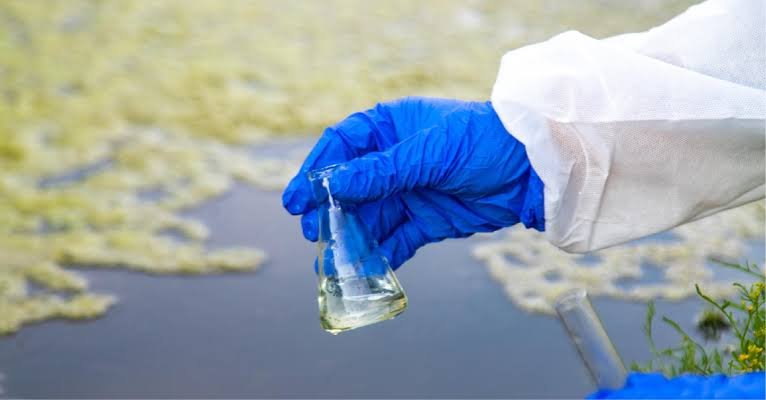
That means regular testing — not once when the well’s drilled, but annually, or even seasonally if your area’s prone to heavy rainfall or agricultural runoff. You can’t fix what you haven’t found, right?
Taste, Smell, and That Mysterious Cloudiness
Let’s be real — you don’t need to be a scientist to know something’s off with your water. Maybe it smells like rotten eggs (classic sulfur). Maybe it leaves rust-colored stains in your sink. Or maybe it just tastes… flat. Or metallic. Or kind of like licking a coin.
Even if your water passes safety tests, if it doesn’t feel clean, it still matters.
The good news? Most of these issues are totally fixable. There are systems designed to filter iron, neutralize sulfur, balance pH, and even improve well water taste so your glass doesn’t smell like a chemistry experiment. Related: Why Your Water Deserves Better: A Thoughtful Take on Clean, Customized Water Solutions
Because honestly, the goal isn’t just safety — it’s comfort. And joy. And being able to brew a cup of tea without grimacing at the first sip.
The Invisible Threats: Bacteria and Microbes
Now here’s where things get serious. While discoloration and taste are annoying, microbial contamination can be downright dangerous. E. coli, giardia, cryptosporidium — these aren’t the kinds of things you want swirling in your morning coffee.
Contamination can happen slowly, from cracks in your well casing, changes in the groundwater, or even runoff from nearby farms. Sometimes you won’t even know it’s there — until someone in your household gets sick.
That’s why disinfection matters. Systems that destroy harmful microbes using UV light, ozone, or chemical-free oxidation are game changers. They don’t just mask the problem; they neutralize it at the source, without altering the flavor or loading your water with bleach-like chemicals. Related: Clean Water at Scale: Why Commercial Filtration Is No Longer Optional
A properly maintained UV system, for example, can run quietly for years, killing off bacteria with nothing but light. No chemicals. No residue. Just clean, microbe-free water.
It’s Not Just About the Filter — It’s About the Flow
Too many folks rush to install a fancy filter or softener without thinking about the full water journey. You might fix the taste, but what about sediment? Or flow pressure? Or storage capacity?
A good water setup doesn’t just throw in one gadget and call it a day. It thinks holistically.
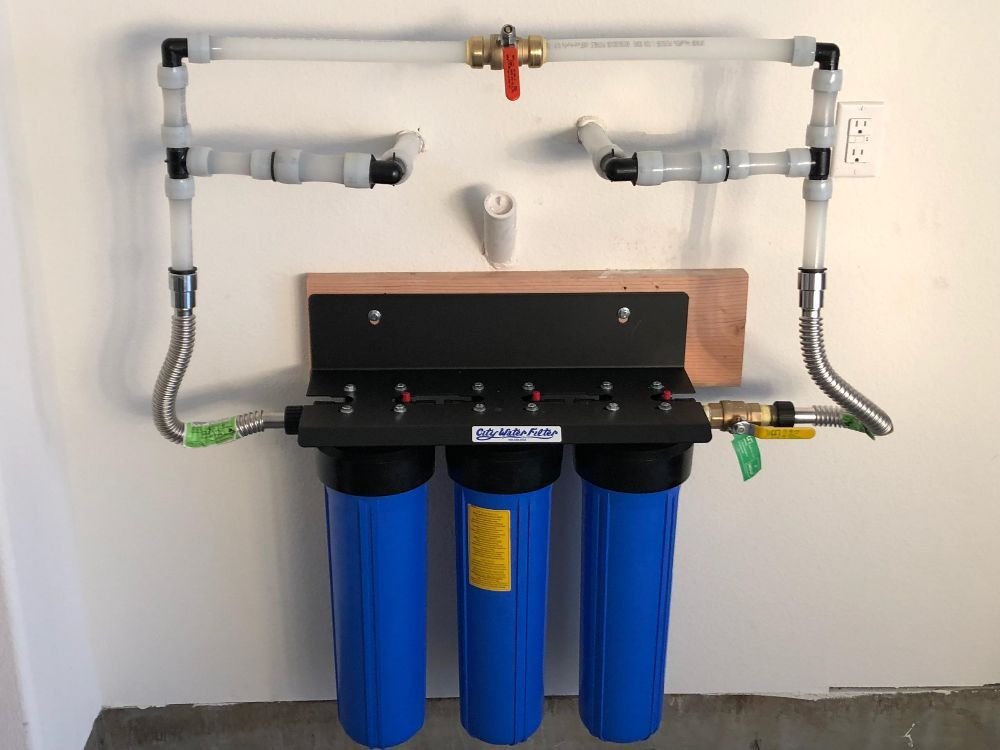
That might mean pre-filtration to catch sand and grit. A pressure tank that keeps everything running smoothly. A combination system that softens and purifies at the same time. Or even a whole-house filter that tackles everything before it reaches your kitchen sink. Related: Small Water Filters, Big Difference: Making Point-of-Use Treatment Work
Every well is different. So the solution should be tailored, not templated.
The Long Game: Maintenance, Monitoring, and Peace of Mind
You wouldn’t ignore your car’s oil change for two years, right? (Okay, maybe you would. But you shouldn’t.) Same goes for your well water system.
Changing filters, checking seals, testing flow — these little check-ins make a world of difference. And they save you from big headaches down the road, like pump burnout or full-system replacements.
And don’t underestimate the value of a water log. Yep, like a health journal for your water. What was tested when, what the results were, when filters were changed, etc. It’s boring admin stuff, but it’s worth it.
Because nothing beats the peace of mind that comes from knowing your water is being cared for — especially when that care becomes second nature.
Well Water Can Be a Dream… With the Right Setup
At its best, well water is earthy, clean, and empowering. It connects you to the land, frees you from municipal bills, and gives your household a little more independence.
But like any good thing, it needs upkeep. Understanding what’s in your water, tailoring your systems accordingly, and committing to ongoing care is what transforms “questionable tap” into “pour-me-another-glass.”
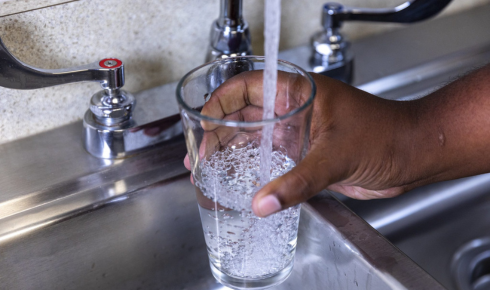
So take a breath. Test your water. Invest in the right tools. And know that a healthier, tastier, safer glass is always within reach.
Because when you prioritize clean well water, take the time to destroy harmful microbes, and work to improve well water taste, you’re not just upgrading your plumbing — you’re improving your quality of life.