Water is everywhere in commercial spaces. It’s in the cooling towers and boilers, running through dishwashers in restaurants, flushing through pipes in hospitals, and quietly working behind the scenes in office buildings. Yet for many business owners and facility managers, it’s just… there. You turn the tap. It flows. End of story, right?
But here’s the twist—what’s in that water can make or break your operations over time. From damaging scale buildup to inconsistent water pressure and bad-tasting tap water, untreated water can affect everything from your maintenance budget to customer satisfaction. And that’s why more companies are rethinking how they handle water inside their buildings—because better water isn’t just about taste, it’s about total facility solutions that optimize performance and preserve assets. Related: Why Your Water Deserves Better: A Thoughtful Take on Clean, Customized Water Solutions
It Starts With the System, Not the Sink
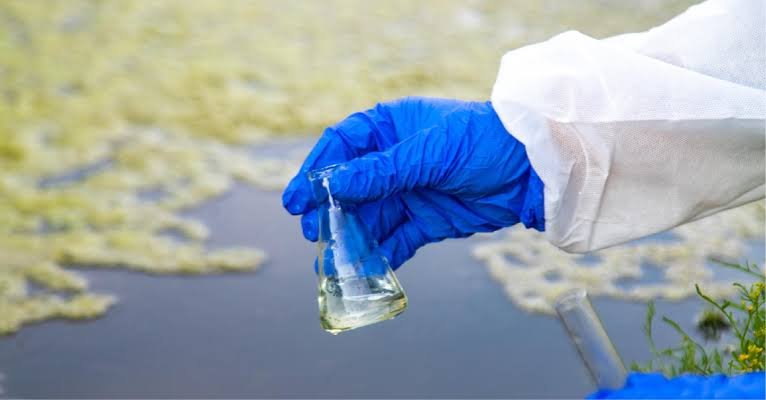
A lot of folks assume that if the water’s clear and doesn’t smell, everything’s fine. But in commercial environments, what’s invisible can be the most destructive. Calcium, magnesium, iron, and biological contaminants can silently cause corrosion, clogging, and expensive mechanical failures if left unchecked.
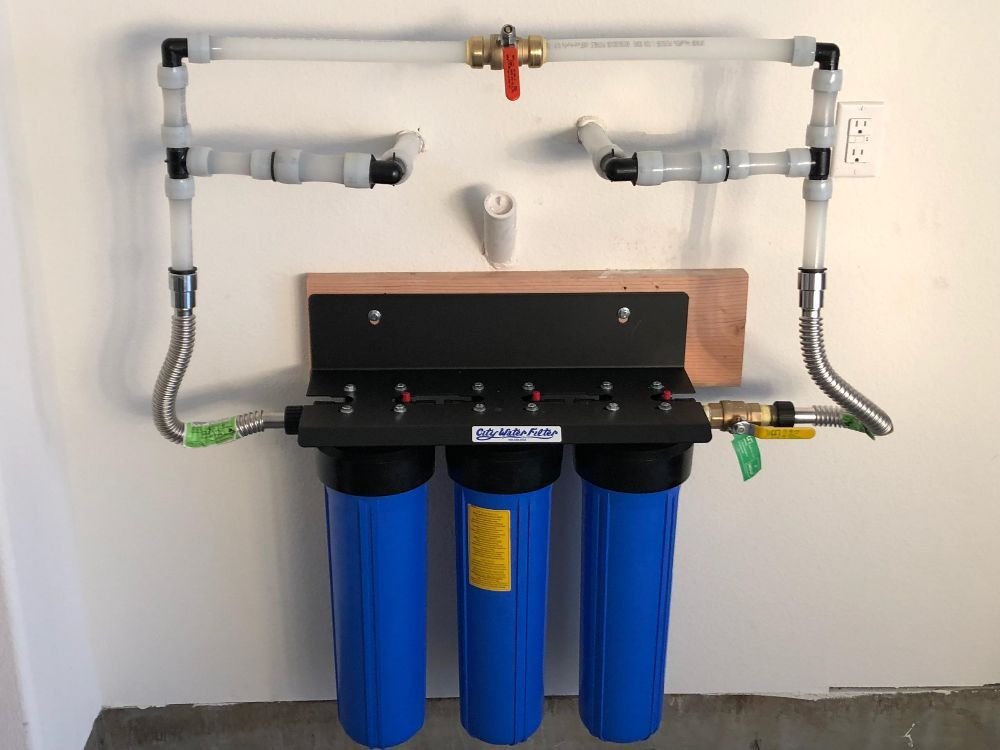
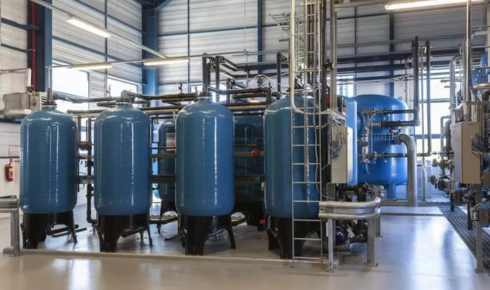
That’s where commercial filtration systems come into play. These aren’t your basic under-sink filters—they’re industrial-grade setups that filter out everything from sediment and chlorine to bacteria and heavy metals. They’re built for volume, speed, and consistency. And best of all, they’re customizable.
Running a hotel? You’ll want something different than a dental clinic. Operating a brewery? Your filtration needs will be wildly different than a corporate high-rise. The right filtration system doesn’t just clean—it protects, tailors, and transforms how water works in your space.
Scaling: The Silent Saboteur
You might not see it happening, but your equipment definitely feels it. We’re talking about scale—those hard mineral deposits that quietly build up inside water heaters, steam ovens, cooling towers, and just about any piece of equipment that heats or moves water. Over time, it creates blockages, reduces energy efficiency, and eventually causes system failure.
That’s why scaling prevention is one of the most important (and most underrated) investments you can make in your building’s longevity. Solutions can include water softeners, anti-scaling chemical feeders, or template-assisted crystallization systems—all working behind the scenes to keep your gear safe, clean, and functional. Related: Why Better Water Filtration Starts With Knowing What’s in Your Water
Because let’s face it: replacing a heat exchanger or boiler prematurely isn’t just expensive—it’s disruptive. And all of that can often be traced back to poor water management.
The Unexpected Benefits That Add Up
So what happens when you treat your facility’s water properly? You start noticing things. Your towels and linens last longer. Dishes come out spotless. HVAC systems hum along more quietly. Customers stop complaining about “weird-tasting” water. Your maintenance crew isn’t constantly chasing leaks or replacing gaskets.
Even soap and detergent costs drop—because soft water lets you use less product for the same (or better) results.
Water quality may not be flashy, but it impacts nearly every touchpoint in a commercial space. That’s why more facility managers are moving toward integrated water management, not just one-off fixes.
Maintenance Doesn’t Have to Be a Headache
The great thing about modern commercial filtration and water treatment systems is that they’re smarter than ever. Sensors, alerts, and remote monitoring mean your team doesn’t have to babysit the system 24/7.
And for teams stretched thin (which is most facilities these days), there are even bundled service packages—scheduled maintenance, filter changes, salt delivery for softeners, performance audits—you name it. It’s set-it-and-forget-it peace of mind. Related: Finding the Right Water Solution Starts With Understanding What’s in Your Water
This shift from reactive to proactive water management not only saves money—it saves sanity.
Customization Is the New Standard
Gone are the days when facilities had to settle for generic solutions. Today’s best-in-class water strategies are built around you—your building, your needs, your budget. That means you get smarter sizing, smarter filtration, and smarter integration with your existing infrastructure.
Want to reduce water waste? There’s a system for that. Need to meet specific health codes? Done. Looking to boost sustainability goals or LEED certification? Water plays a massive role there, too.
If you’re not customizing your water solution, you’re probably leaving money—and performance—on the table.
The Bigger Picture
Think of water treatment as infrastructure insurance. It’s not just about compliance or better-tasting tap water. It’s about controlling the unseen elements that can quietly corrode, clog, or completely wreck the systems you rely on to do business.
Great facility solutions aren’t loud or obvious. They work silently, 24/7, behind walls and inside machines. But they make a massive difference to your operations, reputation, and bottom line.
Final Thoughts: Don’t Let Water Be the Weak Link
Water might be the last thing on your mind during a busy day—but when it’s not handled properly, it can become the first thing that breaks. The good news? You don’t need a complete overhaul to see results. Sometimes, all it takes is a single filtration upgrade, or a scaling prevention system, or simply switching to smarter maintenance practices.