There’s something oddly reassuring about turning on the kitchen tap and filling a glass without hesitation. No second guessing. No sniff test. Just clear, cool water ready to drink. But for a lot of homeowners, that confidence isn’t automatic anymore.
We live in a time when people read water quality reports the way they once read weather forecasts. PFAS. Chlorine byproducts. Lead in aging pipes. Agricultural runoff. Even if levels fall within “acceptable limits,” the question lingers: acceptable according to whom?
That quiet uncertainty is what’s driving more families to look closely at what’s coming through their pipes — and what they can realistically do about it.
The Subtle Shift Toward In-Home Solutions
Not long ago, bottled water felt like the simple answer. Toss a case in the cart, stack it in the pantry, call it a day. But over time, the math starts to bother you. The plastic waste. The cost. The inconvenience of hauling it home every week.
So people begin exploring filtration. Pitcher filters are often the first step. They’re affordable, easy, non-committal. And for some households, that’s enough.
But in areas where water has noticeable taste issues or documented contamination concerns, countertop filters sometimes feel like putting a bandage on a leaky pipe. That’s when conversations turn to more comprehensive solutions — especially reverse osmosis systems, which have gained traction for their ability to filter water at a deeper level.
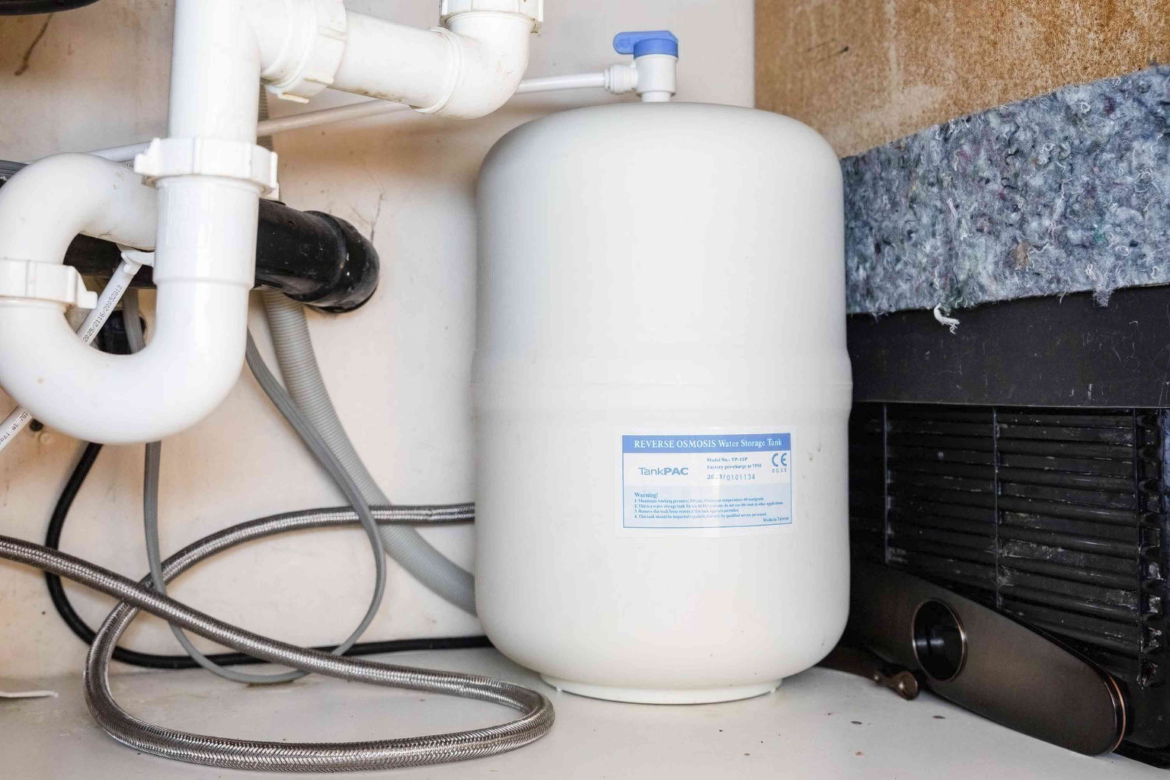
These systems typically sit under the sink and push water through a semi-permeable membrane, removing a wide range of dissolved solids. It sounds technical, but the goal is simple: cleaner water directly from your tap.
What’s Actually in Your Water?
Municipal water treatment plants do an important job. They disinfect, remove sediments, and keep pathogens in check. But treatment standards vary, and infrastructure ages. In older neighborhoods, pipes themselves can become part of the problem.
Even rural homes relying on well water face their own challenges — from naturally occurring minerals to agricultural contaminants. Iron, arsenic, nitrates. The list isn’t exactly comforting.
This is where drinking water purification becomes less about luxury and more about peace of mind. It’s not necessarily about chasing perfection. It’s about reducing exposure to things you’d rather not ingest every single day.
Taste improves, too. Chlorine’s sharp edge softens. Metallic hints disappear. Coffee tastes cleaner. Ice cubes don’t carry faint odors. These small changes subtly shift how you feel about your water — and that confidence matters.
Understanding Contaminant Reduction Without the Hype
It’s easy to get lost in marketing promises. Some brands throw around impressive statistics without much context. Ninety-nine percent removal of this. Near-total elimination of that. The numbers blur together.
What actually matters is verified contaminant reduction backed by third-party testing. Reputable systems meet certification standards that outline exactly what they’re capable of removing — from heavy metals to certain bacteria and chemical compounds.
That doesn’t mean every system eliminates every possible impurity. Water quality is complex. The effectiveness of filtration depends on the specific contaminants present in your supply.
That’s why testing comes first. Before investing in any filtration setup, it’s smart to understand what you’re dealing with. Many local water authorities publish annual reports, and independent lab tests can offer more detailed snapshots. Once you know the problem, choosing the right solution feels far less overwhelming.
The Reality of Maintenance
Here’s the part that doesn’t get as much attention: filtration systems require upkeep. Membranes need replacement. Pre-filters clog over time. Ignoring maintenance can reduce effectiveness — or worse, lead to bacterial growth inside the system.
It’s not difficult, just something to plan for. Most homeowners find the routine manageable once it becomes part of the household rhythm, like changing HVAC filters or replacing smoke detector batteries.
The good news is that modern systems are more streamlined than they used to be. Many include indicators for filter changes, and replacement kits are widely available. It’s less complicated than it sounds.
Balancing Cost and Long-Term Value
Upfront installation costs can cause hesitation. Under-sink systems aren’t as inexpensive as pitcher filters, and whole-house setups are an even bigger commitment.
But when you calculate bottled water expenses over several years, the numbers shift. Add in the environmental impact of plastic waste and the convenience factor of having purified water instantly available, and the equation starts to make more sense.
For families who cook frequently, make baby formula, or simply drink a lot of water daily, the long-term value becomes easier to justify. It’s not about luxury. It’s about consistency and trust.
When Is It Worth It?
Not every home requires advanced filtration. In some regions, municipal water quality is excellent. A basic carbon filter may handle taste concerns just fine.
But if you’ve noticed persistent odor, discoloration, sediment, or if you live in an area with known contamination issues, exploring filtration options feels less like overreacting and more like responsible home care.
It’s also worth considering for households with vulnerable members — young children, elderly residents, or anyone with a compromised immune system. Even small improvements in water quality can make a difference in daily health habits.
A Quiet Kind of Confidence
There’s something deeply satisfying about filling a glass straight from your tap and knowing you’ve taken steps to improve what’s inside it. No second thoughts. No lingering doubts.
Water is fundamental. We cook with it, drink it, bathe in it. It deserves more attention than it usually gets.
Choosing a filtration system isn’t about paranoia or perfectionism. It’s about control — about deciding that what flows into your home aligns with your standards.