There’s something oddly intimate about drinking water straight from your kitchen faucet. It’s a small act — automatic, even — but it reflects trust. Trust in your city, in your pipes, in the folks running the water treatment plants. But if you’ve ever paused mid-sip in Nashville, wondering what exactly is swirling in that glass, you’re not the only one.
Whether you’re a lifelong resident, a college student new to town, or just passing through for hot chicken and live music, you’ve probably heard whispers about the water. Some say it’s perfectly fine. Others claim it tastes like a swimming pool. So, which is it?
Let’s break it down — taste, treatment, and truth — with none of the fluffy nonsense and all of the practical insight.
Where Nashville’s Water Comes From
Before we can talk about quality, let’s talk source. Nashville’s tap water comes primarily from the Cumberland River, a surface water supply that winds its way through the heart of the city. The water isn’t drawn directly into your pipes, of course — it’s treated first by Metro Water Services (MWS), the city’s water utility.
MWS operates two major treatment plants: K.R. Harrington and Omohundro. Together, they serve hundreds of thousands of people, filtering, disinfecting, and testing water to meet safety standards. The process includes sediment removal, chemical balancing, and disinfection (typically with chloramine, a combination of chlorine and ammonia).
Sounds thorough enough — but is it safe to drink tap water in Nashville after all that? In terms of federal and state regulations, yes. Nashville meets or exceeds every benchmark set by the Environmental Protection Agency (EPA), including limits for lead, chlorine byproducts, nitrates, bacteria, and more.
But Let’s Talk Taste and Texture
Alright. Regulations aside, what does the water taste like?
This is where things get personal. Some folks say it tastes totally fine — clean and unremarkable. Others notice a slight chemical flavor, thanks to the disinfectants used during treatment. A few even report occasional cloudiness or a musty scent during certain times of year (often when the Cumberland River is affected by heavy rainfall or seasonal algae blooms).
Still, a lot of these complaints come down to perception. Our palates are surprisingly sensitive to subtle shifts — especially if you’ve lived in a city with mountain spring water or well systems. And while these quirks might make you want to use a filter, they don’t automatically mean something’s unsafe.
What’s in the Reports?
Each year, MWS releases a Consumer Confidence Report (also known as a Water Quality Report), detailing what’s in the water, what’s been filtered out, and how it compares to EPA standards. The 2023 report, like those before it, shows no violations of federal safety thresholds.
The data is clear: Nashville tap water quality consistently ranks within acceptable ranges for substances like lead, arsenic, fluoride, and disinfectant byproducts like trihalomethanes (TTHMs). Even during periods of heavy rain or flooding, the water system holds up well thanks to multiple redundancy checks.
What these reports don’t always highlight, however, are unregulated contaminants — things like PFAS (“forever chemicals”) and microplastics. These aren’t exclusive to Nashville, of course; they’re a growing concern nationwide. But it’s a reminder that legal compliance doesn’t always mean zero presence.
Is Nashville Tap Water Safe for Vulnerable Groups?
This is where things get a little more nuanced. Is Nashville tap water safe for everyone? Generally, yes. But if you’re pregnant, have a newborn, or live with someone immunocompromised, it’s fair to be extra cautious.
Lead, for example, is more dangerous for children and developing fetuses, even at low levels. And while MWS treats the water to prevent lead corrosion from old pipes, homes built before 1986 may still have lead plumbing. In these cases, the water leaving the treatment plant may be clean, but it can pick up trace contaminants on the way to your tap.
That’s why experts often recommend running the faucet for 30–60 seconds in the morning before using water for drinking or cooking, especially in older homes. Or better yet — investing in a basic NSF-certified filter.
So, Can You Trust the Tap?
We’ve covered the science and the stats. But let’s circle back to the everyday question: is it safe to drink tap water in Nashville on a daily basis?
Yes. It’s treated, monitored, and regulated to meet all federal and state standards. But if you’re like many Nashvillians, you may still want to filter it — not because the water’s dangerous, but because you’re picky about taste, or just want an extra layer of protection.
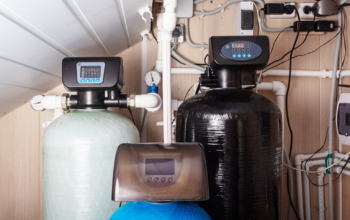
It’s also about personal peace of mind. Some folks swear by under-sink reverse osmosis systems. Others are happy with a simple Brita pitcher. And some folks? They fill up from the tap without thinking twice. No judgment either way — the key is knowing your options.
What Locals Are Saying
Ask around, and you’ll find that Nashvillians have a variety of approaches. Many report that they’ve been drinking tap water for years with no issues. Some will tell you they wouldn’t touch it without a filter. Others prefer bottled water, either for convenience or out of habit.
Interestingly, a lot of residents start filtering their water only after noticing hard water stains or mineral buildup on fixtures — not because of taste, but because of how the water behaves. And it’s true — Nashville water tends to be moderately hard, meaning it can leave behind residue in kettles, coffee makers, and showerheads.
But again, that’s a water hardness issue, not a safety concern.
Practical Tips for Everyday Use
Want to feel even better about drinking the water? Here are a few real-world things you can do:
- Check your pipes. If your home is older, consider getting it tested for lead or galvanized plumbing.
- Flush before you fill. Letting water run for a bit each morning clears out any stagnant water.
- Use a filter. Even a basic pitcher filter can remove chlorine taste and small particles.
- Stay informed. Read the annual water quality report — it’s surprisingly readable and free.
- Ask questions. MWS is generally responsive and open about their process.
Final Sip: Should You Drink Nashville’s Tap Water?
The short answer: yes, you can. The long answer? Yes — but with the usual caveats.
Nashville’s tap water is legally safe, routinely tested, and fairly reliable. Nashville tap water quality has held steady over the years, and for the vast majority of people, it’s fine to drink straight from the tap.
But if you’re sensitive to taste, cautious about contaminants, or living in an older home, adding a filter might give you peace of mind. And that’s okay. There’s no one-size-fits-all answer when it comes to water — only what makes you feel good when you fill that glass.