There’s a small but meaningful moment in every day when you reach for a glass of water. Maybe it’s after a workout, maybe it’s in the middle of the night, or maybe it’s just part of your routine while cooking dinner. You turn on the tap, fill the glass, and take a sip.
If it tastes clean and neutral, you don’t think twice about it.
If it doesn’t? You notice immediately.
Water is supposed to be invisible in flavor. When it isn’t, it changes your habits. You start buying bottled water. You avoid drinking as much as you should. You add lemon to mask a chemical aftertaste. Over time, that small discomfort becomes normal.
But it doesn’t have to be.
Taste Is the First Clue
The pursuit of great-tasting water isn’t about luxury. It’s about confidence. When water tastes fresh and balanced, you hydrate more naturally. Coffee tastes better. Ice cubes don’t carry a strange odor. Even soups and sauces feel cleaner.
Taste is often influenced by chlorine, dissolved minerals, or organic matter. Municipal water systems use disinfectants to keep supply lines safe, and that’s important. But sometimes those disinfectants linger in ways that affect flavor.
The key is understanding what’s causing the taste difference before trying to fix it. Related: Why Getting Your Water System Installed the Right Way Matters More Than You Think
When Particles Get in the Way
Not all water issues are about flavor. Sometimes the problem is texture.
Have you ever noticed cloudy water that clears after a few seconds? Or fine grit collecting in faucet aerators? That’s usually sediment—tiny particles of sand, silt, or rust traveling through your plumbing.
This is where sediment removal becomes essential.
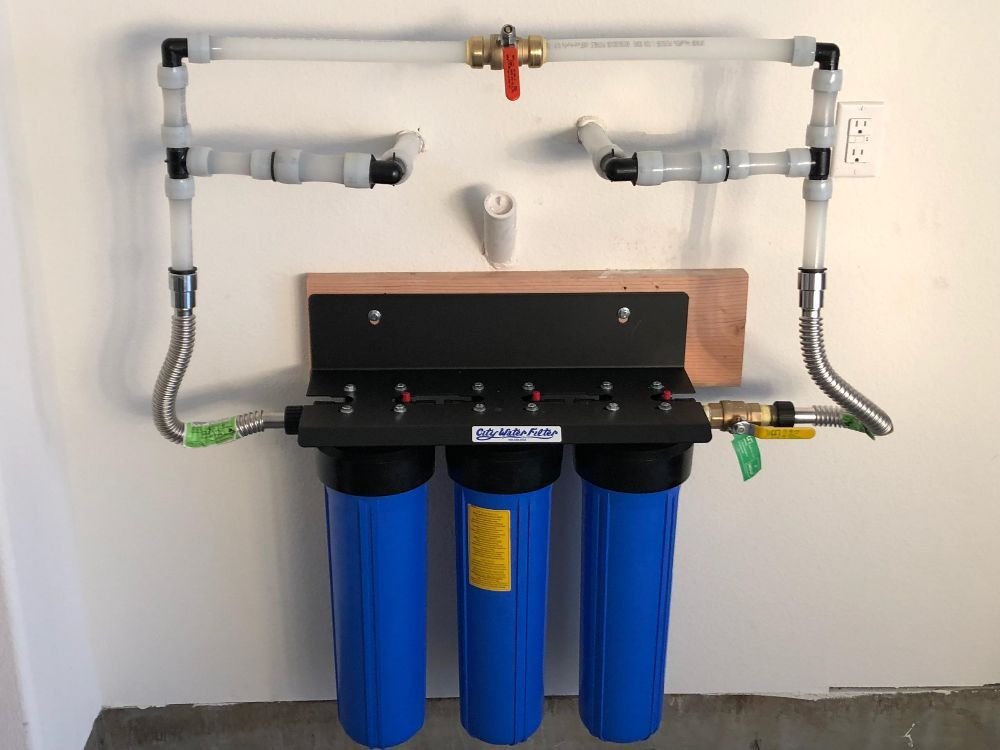
Sediment filters are often the first line of defense in a filtration system. They capture physical particles before they reach appliances or additional filters. Without them, downstream components clog faster, and performance suffers.
In well water systems, sediment is particularly common. After heavy rain or seasonal groundwater shifts, more particles can enter the supply. Even municipal systems occasionally release sediment during infrastructure repairs.
It’s not always dangerous—but it’s disruptive.
And removing it improves clarity, protects plumbing, and creates a smoother overall experience.
Addressing That Pool-Like Smell
If you’ve ever turned on your shower and caught a faint whiff of something that reminds you of a public swimming pool, you’re not imagining it.
Chlorine is widely used in municipal water treatment because it prevents harmful bacteria from growing in distribution systems. It’s a public health safeguard.
But from a comfort standpoint, some homeowners prefer to reduce that residual scent and taste.
That’s where chlorine pre-filtration plays a role.
Carbon filters are particularly effective at reducing chlorine levels before water flows to faucets. By installing a pre-filtration stage, you not only improve taste but also protect other filtration components that might be sensitive to chemical exposure.
The result? Water that feels softer on the senses without compromising safety.
Layering Filtration Intelligently
One common misconception is that all filtration systems are the same. In reality, they function in stages.
Sediment filters handle physical particles first. Carbon filters address taste and odor. Advanced systems may include additional membranes or UV components depending on specific needs.
The order matters.
Installing a carbon filter without sediment protection can shorten its lifespan. Ignoring chlorine before adding advanced filtration may reduce system efficiency.
It’s less about adding more filters and more about adding the right ones in the right sequence.
Testing Before Investing
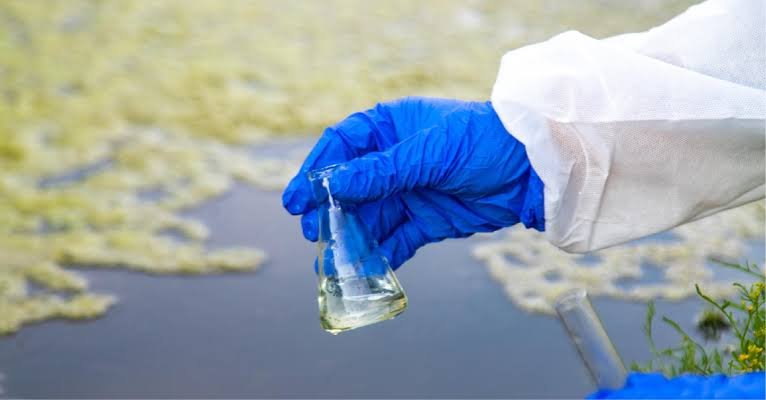
Before installing any system, testing your water provides clarity.
Hardness levels, chlorine concentration, turbidity, and total dissolved solids all influence which approach makes sense. Testing prevents unnecessary spending and ensures the system addresses real conditions rather than perceived ones. Related: Small Water Filters, Big Difference: Making Point-of-Use Treatment Work
For municipal water users, annual water quality reports offer a starting point. Well owners should consider periodic lab analysis to track changes over time.
Knowledge simplifies decisions.
The Everyday Impact
Improved water quality doesn’t come with fireworks. It shows up quietly.
You drink more water because it tastes better. You clean fixtures less often because sediment isn’t accumulating. Appliances run more efficiently because they’re not fighting buildup.
It’s incremental improvement, not dramatic transformation.
But those small improvements add up.
A Balanced Perspective
Water treatment isn’t about fear. It’s about refinement.
Most public water systems meet safety standards. Many well systems operate reliably with routine testing. Filtration simply fine-tunes the experience.
It removes friction. It restores neutrality.
And neutrality, when it comes to water, is a good thing.
Final Thoughts
Water is foundational. It flows through every part of your day—quietly, consistently.
When it tastes clean and looks clear, you don’t think about it. And that’s the goal.
Whether you’re focusing on great-tasting water, addressing sediment, or reducing chlorine presence, the path forward begins with understanding your supply.
Once you know what’s in your water, the solution becomes straightforward.
And the next time you reach for a glass, you’ll take that sip without hesitation.
Sometimes, that small moment says everything.